
8 Signs It’s Time To Give Up On An Alcoholic Husband or Wife

For example, I have no problem going to parties with close friends and being the only one not drinking. Your partner is unlikely to hit up boozy social events with you. Dating a recovering alcoholic means getting creative with date night. But don’t waste each other’s time believing or hoping they will be cool with it one day.
Signs Your Loved One Is An A…
- In this article, we’ll provide useful tips to live with an alcoholic.
- Depending on the nature of the problem there are support groups and social service projects that you can turn to for advice and emotional support and develop a planned course of action.
- If one of our articles is marked with a ‘reviewed for accuracy and expertise’ badge, it indicates that one or more members of our team of doctors and clinicians have reviewed the article further to ensure accuracy.
- It’s also important to ask your loved one directly what you can do to help, especially during special events where alcohol may be served.
If you’re dating a sober person, I’ve got some “do’s and don’ts.” But first, an important note. We hope these tips help you stay safe if you https://ecosoberhouse.com/ choose to drink. And join us next week on the Chasing Life podcast to hear a conversation between Dr. Sanjay Gupta and Dr. Francis Collins, the former head of the National Institutes of Health. If you do make the choice to drink, he suggested lessening alcohol’s impact by alternating each alcoholic drink with a glass of water. “This will help with pacing as well as rehydrating,” he noted.
- In certain situations, the patient will leave after detox and continue their therapy on an out-patient basis, while some choose to remain for in-patient care.
- There are also gray area drinkers who choose sobriety because they recognize unhealthy drinking patterns and don’t want their life to become unmanageable.
- A night of drinking five to six drinks suppresses your immune system for up to 24 hours, making you more vulnerable to illnesses like bacterial or viral infections.
Research treatment options for your spouse
Having an alcoholic spouse is not a situation you will be forced to go through alone. Some people have gone through and are going through the same situation, and they can offer insight, advice and understanding. There may be very little you can do to help someone with AUD until they are ready to get help, but you can stop letting someone’s drinking problem dominate your thoughts and your life.
Obnoxious Things I Stopped Doing When I Quit Drinking
- When someone with AUD lives in your household, the rest of your family members can be at risk for negative effects.
- Many alcoholics cannot sustain their careers and lose their jobs.
- For people who have failed previous outpatient treatment options, this form of rehabilitation tends to be more reliable.
- Remember that you don’t have to carry this burden alone; reach out for help, whether that’s from a professional like a therapist or addiction specialist, a support group, or a friend or family member.
So, take a step back and let them deal with the after-effects what is Oxford House of their addictive behavior. It’s a routine you’ve witnessed repeatedly — and it never gets less painful to watch. Addiction psychiatrist Akhil Anand, MD, offers these tips to help you persevere. Trust yourself and take the steps necessary to prioritize your own well-being. Start the decision making process by listing all of the positives and all of the negatives of the relationship. Someone with AUD typically doesn’t want anyone to know the level of their alcohol consumption because if someone found out the full extent of the problem, they might try to help.

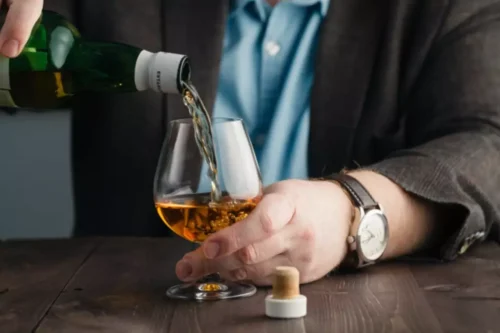
Your partner’s addiction is their own, and they are ultimately responsible for their own recovery. However, if you’re living with an alcoholic, your behavior can have an impact on should i stay with an alcoholic their ability to stay sober. If you’re in a relationship with someone who struggles with alcoholism, you may be wondering whether you need to stop drinking as well. While there’s no one-size-fits-all answer to this question, it’s worth considering the impact that your drinking may have on your partner’s recovery journey. Finally, being in a relationship with an alcoholic can take a toll on your own mental health and well-being. You may feel constantly stressed, worried, or anxious about your partner’s behavior, which can affect your own ability to function and thrive.
Be supportive of their schedule.
However, for someone with an alcohol dependence, that expectation may turn out to be unreasonable. If the person is incapable of even being honest with themselves, it may not be reasonable to expect them to be honest with you. You do not have to put up with unacceptable behavior in your life.
From Our Partners
- Understanding the needs of family members has been a prominent consideration in addiction treatment services in recent years so there is no need for families to deal with this alone anymore.
- Research has also shown that children who experience alcoholism in their daily lives are more likely to suffer from emotional and behavioral issues.
- Rehydrating will also lower your chances of a hangover the next day.
- If your loved one is truly dependent on alcohol, they are going to drink no matter what you do or say.
- The skills you’ll learn by attending this kind of program can also assist in coping with trigger situation.
- Deciding to leave is hard, especially considering all the things you’ve likely been through with your spouse.
Exceeding these guidelines regularly may raise a red flag. Understandably, you may struggle with self-blame, believing that somehow you triggered their drinking patterns. You may also feel compelled to control their behavior—by monitoring where they go, how much they drink, or even disposing of their alcohol.


 /wabisabisupplement