
Insurance Expense Journal Entry
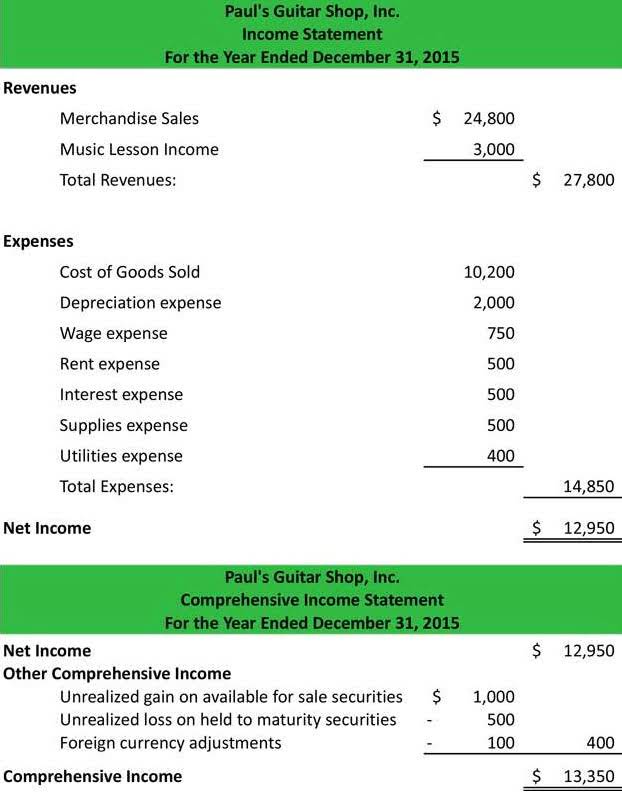
However, the company should not begin amortizing the insurance until the benefit is received. For example, if the company’s current insurance contract ends on March 31, but the company sends a renewal payment on February 15, then the amortization of the current contract will continue until March 31. The amount of insurance that was incurred/used up/expired during the period of time appearing in the heading of the income statement.
Personal Insurance Business Owner
- CliffsNotes study guides are written by real teachers and professors, so no matter what you’re studying, CliffsNotes can ease your homework headaches and help you score high on exams.
- The amount of mileage and usage of the vehicle are also taken into account when calculating the premium, as those who use their vehicle more often are seen as higher risk than those who use it less.
- In this case, the company simply records a debit to prepaid expense and a credit to cash.
- Thus, XYZ Ltd. would have to pay $2,66,417.54 as an insurance premium for the given year.
- To do this, debit your Expense account and credit your Prepaid Expense account.
You can put the insurance check back onto the same expense account that the original repairs were coded to which will offset that expense. The annual payment is usually cheaper than the total of the monthly payments as an incentive to pay the bill up-front, but small businesses often can’t afford this, so the providers offer the monthly option. This annual fee can be paid with a petty cash one-off payment or it can be spread over 12 monthly payments, or sometimes fortnightly. An insurance expense occurs after a small business signs up with an insurance provider to receive protection cover.
General Liability Insurance

The one-year period for the insurance rarely coincides with the company’s accounting year. This translates to five months of insurance that has not yet expired times $400 per month or five-sixths of the $2,400 insurance premium cost. To create your first journal entry for prepaid expenses, debit your Prepaid Expense account.Osmand Vitez Man climbing a rope Insurance expense represents a payment for an insurance premium relating to a business policy. General liability, executive life insurance, building, equipment and other types are available to companies.
- In either case, it is important to keep detailed records of the claim to ensure that it is being handled properly.
- This includes details such as the date, location, and any other necessary information.
- Insurance expenses are some of the most common expenses encountered in small business.
- However, the transfer-for-value rule can trigger taxable income, so businesses must ensure compliance to maintain the tax-exempt status of these proceeds.
- Prepaid expenses are payments made in advance for goods or services that will be received or used in the future.
- Your balance sheet is a summary of how much your business owns and how much it owes on a particular date.
- The underwriting process requires detailed financial statements and projections to reflect the business’s needs and risks adequately.
Individual or Business Owner Proceeds
- Credit insurance may be one of the most important forms of protection because it shields companies from substantial losses that often result from business partners’ bankruptcies and temporary financial distress.
- Additionally, any licensed drivers in the household can also have an effect on the premium.
- All such information is provided solely for convenience purposes only and all users thereof should be guided accordingly.
- This is done with an adjusting entry at the end of each accounting period (e.g. monthly).
- Recognizing life insurance as a business expense requires understanding various factors that impact both the company’s finances and its stakeholders.
At the end of the year, there may be expenses whose benefits have been received but not paid for and expenses that may have been Law Firm Accounts Receivable Management paid, but their benefit will appear in the next financial year. Deloitte refers to one or more of Deloitte Touche Tohmatsu Limited, a UK private company limited by guarantee (“DTTL”), its network of member firms, and their related entities. DTTL and each of its member firms are legally separate and independent entities.

However, if the policy provides different amounts of coverage during different periods, then the accounting may not be that simple. For example, some policies will only provide 50 percent loss coverage insurance expense for the first 6 months of the policy, with 100 percent coverage for the last 6 months. However, the amount of expense recognized each month may differ between the first and last parts of the policy. The reimbursement process begins when a healthcare provider submits a claim to the insurance company.



 /wabisabisupplement