
Does Alcohol Dehydrate You? Understanding The Health Risks
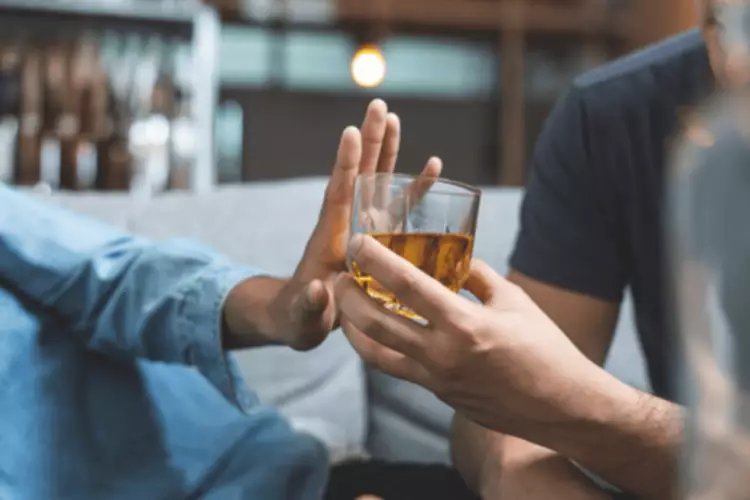
One of the main causes of a hangover is dehydration, and drinking alcohol dehydrates you faster thanks to its diuretic effects. When your body senses that you’re getting dehydrated in general, it produces a hormone called Vasopressin which reduces the need to urinate. But by drinking alcohol, the amount of Vasopressin your body can produce actually reduces, making it harder to retain fluids. The diuretic effect of alcohol is often attributed to its inhibitory impact on an antidiuretic hormone called vasopressin. However, studies have shown that despite this temporary increase in urine production, the net effect of drinking red wine does not lead to dehydration when consumed in moderation.
- Drinking water while you’re still drunk isn’t going to prevent you from becoming dehydrated, but it may help lessen the degree to which you’re dehydrated.
- However, bloating caused by alcohol should calm down in a couple of days.
- Some small studies have found that drinking water before meals can help certain groups of people lose weight.
- Next Health clarifies the relationship and difference between alcohol and hydration.
- And also the alcohol you’re taking into your body interferes with the mechanisms that regulate the water in your body.
- The effects here include increased facial lines, eye puffiness, loss of facial volume, and broken blood vessels.
- Let’s look at why alcohol dehydrates you and discover how electrolytes can help prevent alcohol-induced dehydration.
Why Does Alcohol Make You Pee So Much?
Excessive consumption of red wine or any alcoholic beverage can negatively impact athletic performance and hinder post-workout recovery due to its inflammatory effects and potential dehydration. Excessive consumption of alcohol can lead to negative health effects and alcohol-related dehydration. If you notice a dry mouth or other signs of dehydration, stop drinking alcohol and prioritize hydration. In addition, increased urination can cause the loss of electrolytes, especially potassium and sodium, which are crucial for maintaining the body’s fluid balance. Because a beer — consumed slowly — is the least dehydrating, it’s easy to jump to the conclusion that liquor is always the most dehydrating alcohol. In fact, a mixed drink can be more hydrating (okay, okay, less dehydrating) than taking a shot.
What Is The Best Way To Rehydrate After Drinking?
While a little bit of redness in your face is perfectly normal when drinking alcohol, heavy flushing may be indicative of an underlying health issue. It’s currently unknown whether or not alcohol dehydrates muscle, but it definitely weakens it. Due to its diuretic effect, alcohol makes it more likely for tissues to be deficient does wine make you dehydrated in electrolytes. This is something for athletes to be aware of, as it puts them at greater risk of pulling or straining their muscles. I’ve spent the last seven years researching and understanding alcoholism, addiction, and how people get sober.
Eat hydrating foods:
This can lead to dehydration and further electrolyte imbalances. Therefore, it’s best to moderate your intake of energy drinks and alcoholic beverages and pair these drinks with plenty of water to stay hydrated. Since alcohol travels through the bloodstream, it can travel to other areas of our body including the pituitary gland in our brain. The pituitary gland is responsible for regulating our growth, metabolism, and reproduction by creating and regulating hormones.
The 7 Best Peppery Red Wine Brands
Alcohol impairs the brain’s ability to regulate emotions, and mood changes are common. As the night wears on, you may notice your cheerful feelings soon begin to shift to irritability, sadness, aggression, or anxiety. Drinking any amount or type of alcohol has a wide range of short- and long-term effects on your physical and mental health. As a central nervous system depressant, alcohol slows the body’s systems and leads to noticeable changes in cognitive and physical functions. Scientists commonly measure dehydration by looking at the concentration of sodium and other solids in urine, which is what makes pee darker in color.

It’s important to rehydrate properly after drinking alcohol. No matter the cause of our dehydration, it’s important for us to replenish our fluids as soon as possible. Being dehydrated can lead to some serious consequences, which we’ll investigate further.
Other risks of alcohol consumption
Listening to your body and learning to recognize signs of dehydration can also be beneficial. In another study in 20 older adults, drinking just 2 servings of wine increased short-term urine output. However, the effects of certain types of alcohol may differ, as drinking 2 servings of beer did not have a significant effect (11, 12). According to a small study in 11 men, consuming beer with a 5% alcohol content after exercise increased urine output significantly more than consuming a sports drink did (10). We’re sure you’ve noticed that alcohol consumption makes you pee.
Mixed drinks may contain soda, juice, or other sugar-sweetened beverages as well. As MedlinePlus points out, calories from alcoholic beverages can add Sober living home up quickly. Unfortunately, alcohol isn’t a significant source of any micronutrients, which means you won’t get any health benefits to go with all of these calories. Nutritionally speaking, it’s best to limit alcohol consumption as much as possible.


 /wabisabisupplement