
Essential Payment Conditions to Review With Clients
Essential Payment Conditions to Review With Clients
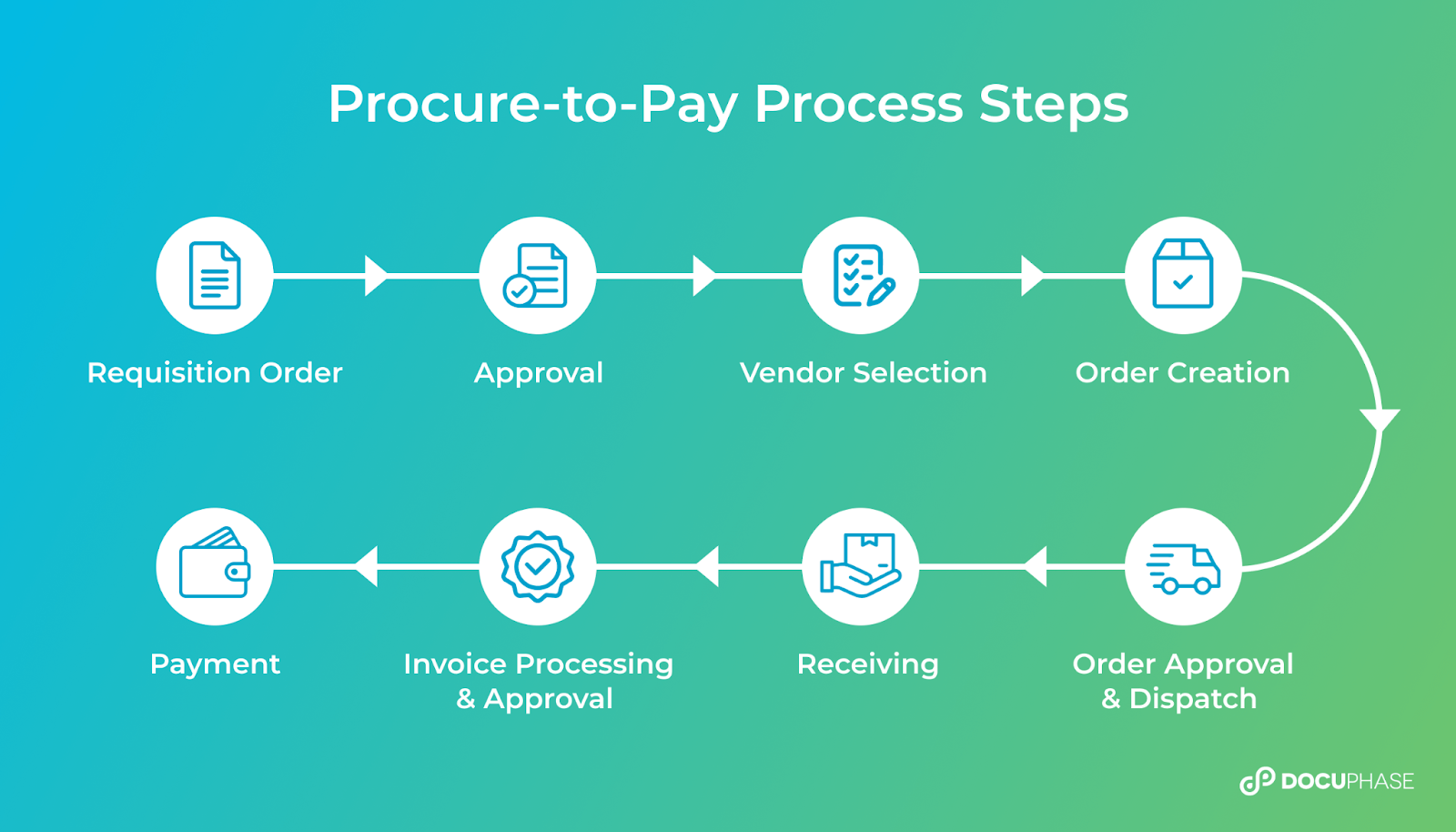
When entering into a business agreement, it is vital to discuss payment conditions thoroughly to avoid any potential disputes. Clear payment terms enhance transparency and foster trust between parties. Before finalizing any contract, both clients and service providers should review the following key payment conditions to ensure a smooth financial transaction. Additionally, businesses offering services or products may provide Payment Conditions to Review With No Deposit Bonus Free Spins no deposit bonus free spins as an incentive, creating added value.
1. Payment Methods
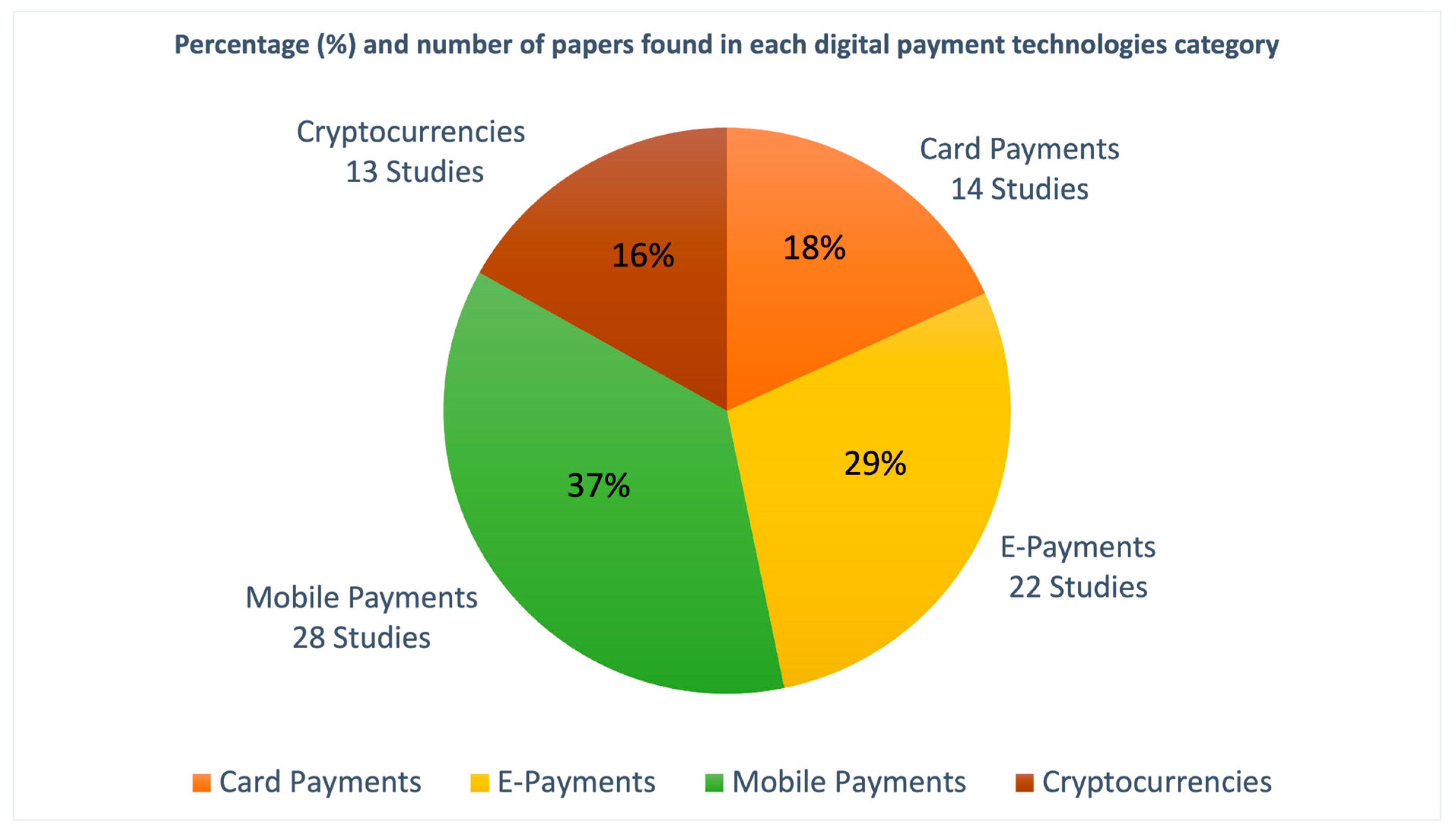
One of the first conditions to address is the method of payment. It’s essential to clarify which payment methods will be accepted. Common options include bank transfers, credit cards, digital wallets, and cash. Each method has its advantages and drawbacks. For instance, credit cards may provide buyers with consumer protection, while bank transfers often carry lower fees for larger amounts. Explore the pros and cons with your client and select mutually agreed-upon methods to facilitate payments.

2. Payment Timing
Establishing when payments are due is another critical element. Common practices include upfront payments, milestone payments through project phases, or payment upon completion. Whatever the chosen timing, make sure it is clearly defined in the agreement to avoid any ambiguity. Discuss any potential delays in payment and enforce penalties if applicable, which protects the service provider’s financial interests.
3. Currency and Exchange Rates
Payments can occur in different currencies, especially in international transactions. Determining the currency of payment is essential. This can have significant implications, such as exposure to currency fluctuations. If your agreement uses one currency but expenses or costs arise in another, discuss and outline how currency rates will be handled, and establish a method for executing conversions if needed. Including a stipulation about the use of the spot rate on the payment day can also help mitigate discrepancies.
4. Invoicing Procedures
Clearly outline invoicing procedures, as they are vital to ensuring timely payments. Discuss how invoices will be generated, how often they will be sent, and the details that should be included in each invoice. Factors such as payment terms (e.g., net 30 or net 60) should also be included in this discussion. Make sure both parties understand where invoices should be sent and the procedures for handling any disputes regarding charges or billing.
5. Late Fees and Penalties
Discuss the policy on late payments explicitly within the agreement. This includes any fees, interest rates, or penalties that will be applied should a payment miss the due date. Outline the circumstances under which these fees activate and ensure the terms are reasonable and compliant with local laws. Early communication about these conditions can help mitigate the chances of late payments and foster a culture of accountability.
6. Refund Policies
A clear refund policy is a must-have when discussing payment conditions. Outline under what circumstances a refund may be issued. For instance, if a service does not meet agreed-upon terms, clients may expect compensation. Clearly defining processes for refunds not only establishes trust but also prepares both parties for potential disagreements. Ensure that this policy considers the timelines for providing refunds and the processes involved in obtaining one.
7. Payment Disputes
It’s crucial to address how to handle disputes over payments in advance. Include provisions on how the parties will resolve disputes, whether through negotiation, mediation, or arbitration. Being proactive in this area can save both parties time and resources in the long run, as well as alleviate stresses that could arise from financial disagreements.
8. Compliance and Legal Regulations
Ensure that both parties have a clear understanding of any compliance issues related to payment processing. For example, businesses may be required to adhere to specific financial regulations or tax laws depending on the nature of their industry and location. Discussing and agreeing to comply with these legal responsibilities protects both parties against potential legal repercussions.
9. Modifications to Payment Terms
Include a clause that discusses how the payment terms can be modified once the agreement is in place. Changes may arise as the project evolves or if economic conditions fluctuate. Agreeing to how and when changes can be made ensures that both parties are continually aligned and proactive in communication.
10. Documentation and Record-Keeping
Establishing proper documentation and record-keeping procedures can help streamline the payment process. Both parties should agree on how documentation will be maintained and shared. This might include receipts, invoices, and transactional records. A well-maintained archive of payment details can simplify future audits and provide clarity in case of disputes.
Conclusion
Reviewing payment conditions is crucial for any business engagement. Understanding and agreeing upon these conditions fosters a professional relationship between parties and minimizes risks associated with financial transactions. By thoroughly discussing payment methods, timing, penalties, and compliance, businesses can ensure smoother operations. Ultimately, these measures not only strengthen the business partnership but also enhance the potential for successful project outcomes. Taking the time to iron out these details means everyone has clear expectations and can work together more effectively.


 /wabisabisupplement