
ECO SOBER HOUSE Updated February 2025 10 Photos 74 Capen St, Boston, Massachusetts Rehabilitation Center Phone Number
.jpg)
This empowerment leads to vibrant, fulfilling lives beyond the scope of traditional recovery settings, fostering a ripple effect of positive change in society. Online 12-step meetings and programs extend the reach of essential recovery tools, offering flexibility and accessibility to participants worldwide. These digital gatherings mirror traditional 12-step principles, fostering connection and commitment through virtual means. By maintaining regular attendance, individuals reinforce accountability and connectivity, pivotal elements in the healing process. The transition to virtual meetings has witnessed unprecedented global participation, underscoring their efficacy in maintaining sobriety across diverse communities.
Technological Triumph: Cutting-Edge Recovery Technologies
.jpg)
As green initiatives become integral to sober living, these homes are not only fostering personal health but also ecological stewardship. The increased focus on luxury and customized care in sober environments signifies an enduring shift towards creating eco sober house sanctuaries that blend wellness with sophistication. Sober living programs create unique environments where individuals can thrive, offering a haven filled with support, mindful recovery practices, and a robust peer network.
Holistic Haven: Integrating Mindfulness Practices
Such strategically developed amenities contribute significantly to long-term sobriety by creating a resilient foundation of support and growth. Adopting a sobriety-focused lifestyle goes hand in hand with sustainable living, creating a holistic approach to health and wellness. Emphasizing eco-friendly practices within sober communities encourages residents to embrace habits that nurture both their well-being and the environment. Sustainable living permeates daily routines, from recycling initiatives to energy conservation strategies, reinforcing the values of responsibility and mindfulness. This integration with daily life inspires residents to remain present, promoting continuous personal growth and accountability.
Creating a Retreat-Like Environment
- By maintaining regular attendance, individuals reinforce accountability and connectivity, pivotal elements in the healing process.
- This dynamic is enhanced within sober living environments, where regular meetings and activities facilitate communication and connection among residents.
- This bespoke scaffolding is instrumental in fostering the resilience necessary to navigate the journey towards sustained sobriety, providing a solid foundation on which lasting recovery can be built.
- These residences are increasingly focusing on sustainable practices, a trend evident in the rise of eco-friendly sober homes.
- As individuals learn new recipes and techniques, they build confidence and creativity, which are vital elements in healing.
- From group homes for recovery to luxurious sober living in California, this new phase emphasizes adaptable facilities designed to meet diverse needs.
- Nutritional experts offer counseling sessions, providing personalized guidance that helps residents navigate their dietary needs.
By delivering around-the-clock virtual assistance, these systems greatly facilitate the integration of peer support in sober environments. Leveraging data-driven insights, they offer tailored recovery plans and real-time feedback, empowering individuals to monitor their progress and adjust strategies promptly. Such robust platforms underscore the efficacy of comprehensive treatment approaches, carving pathways for sustained sobriety regardless of geographic constraints. In 2024, the landscape of substance use disorder treatment is redefining itself through innovative approaches that challenge traditional methodologies. These groundbreaking strategies include personalized medicine, holistic therapies, and cutting-edge digital tools that cater to the variegated needs of individuals in recovery.
With innovative strategies in place, these programs provide structured routines pivotal in maintaining sobriety and fostering resilience. Emphasizing daily routines, participants gain essential life skills that boost confidence and self-reliance, which are critical in the transition from addiction to recovery. Furthermore, modern sobe,r living environments integrate technology and dynamic programs, enhancing the recovery process and ensuring sustained success beyond the confines of the facility. Curating experiential recovery amenities in sober living environments aligns with a modern approach that emphasizes immersive and memorable therapeutic engagements. Such amenities might include immersive art installations, creative workshops, and sensory gardens that offer a refuge from the demands of day-to-day recovery. These elements are intentionally designed to spark joy, provide respite, and encourage curiosity, cultivating an atmosphere that nourishes the mind and spirit.
Integrated Interventions: Comprehensive Treatment Approaches
- This holistic design reflects a commitment to innovative recovery technologies that support individualized healing journeys.
- This integration with daily life inspires residents to remain present, promoting continuous personal growth and accountability.
- The increased focus on luxury and customized care in sober environments signifies an enduring shift towards creating sanctuaries that blend wellness with sophistication.
- Through this blend, individuals benefit from consistent engagement with therapeutic activities and peer support as they adapt to daily life routines outside the facility.
- The evolution of sober living homes in America reflects a robust commitment to creating environments that support holistic healing.
- By fostering healthy eating habits, these programs not only support physical recovery but also enhance mental well-being, setting the stage for sustained sobriety.
These practices enable individuals to remain present, fostering an acute awareness crucial for resisting temptations and triggering situations. From daily journaling to embracing yoga and mindfulness exercises, such routines provide tangible mental health growth strategies that bolster resilience against substance abuse challenges. Integrating mindfulness into sober living homes not only aids in personal transformation but also prepares residents for continued growth beyond their stay. The advent of digital platforms revolutionizes the availability and ease of accessing recovery support, offering a lifeline for individuals when they need it most. These platforms provide uninterrupted access to resources, chat support, and live forums, enabling continuous guidance and community interaction.
Sustainable Living for a Sobriety-Focused Lifestyle
In 2024, sober living amenities that stand out are those that emphasize wellness-focused features designed to support a robust healing environment. Incorporating elements such as on-site fitness centers, meditation rooms, and therapeutic gardens, these wellness-focused sober housing features nurture an all-encompassing approach to recovery. Through carefully curated holistic sober living features, individuals find unique opportunities to foster a healthy lifestyle in an environment completely aligned with their recovery goals.
Reviewing Top 10 Sober Living Amenities in 2024
With a blend of luxurious amenities and comprehensive treatment approaches, these spaces will become sanctuaries of transformation and empowerment. The focus will be on fostering inclusive environments that accommodate various needs, ranging from those seeking luxurious sober living in California to individuals benefiting from group homes for recovery. By emphasizing innovative recovery technologies, these environments aim to create a progressive platform supporting healing and personal development. The blending of inpatient and outpatient programs represents a sophisticated evolution in comprehensive treatment approaches tailored for robust recovery paths.
By implementing structured schedules, sober living houses provide residents with a sense of purpose and predictability, aiding in the stabilization of their daily lives. This includes regular participation in 12-step meetings, peer support circles, and therapeutic activities, which help residents build a disciplined and focused lifestyle. The clear frameworks and supportive interactions within sober communities empower residents to confront their challenges and pursue a healthier, sober lifestyle in a safe and supportive environment. One of the cornerstones of cutting-edge recovery is the utilization of innovative software designed to offer personalized care. Through platforms that provide tailored treatment plans and digital support networks, residents experience a level of care catered to their journeys.
The synergy of these programs ensures individuals receive the intensive support of inpatient treatment, complemented by the flexibility of outpatient services. Through this blend, individuals benefit from consistent engagement with therapeutic activities and peer support as they adapt to daily life routines outside the facility. Transitioning between these programs can be pivotal in sustaining momentum in recovery, reinforcing essential life skills and coping strategies necessary for long-term sobriety. State-of-the-art recovery tools are reshaping the way individuals approach sobriety, integrating seamlessly into modern sober environments. Innovations like biometric feedback devices and virtual coaching modules contribute to a comprehensive support system for residents.
Reviewing Top 10 Sober Living Amenities in 2024
.jpg)
This thoughtful design not only rejuvenates occupants but also underscores the importance of a serene sober living atmosphere, forging a connection to the outside world that aligns with one’s healing journey. Transitional housing is temporary housing for the working homeless population and is set up to transition their residents to permanent housing.
Residents find solace in environments that mirror high-end retreats, with access to customized therapeutic practices that emphasize relaxation and personal enrichment. These homes are designed with green building practices, incorporating energy-efficient appliances and sustainable materials to minimize their environmental impact. As these environmentally conscious sober living homes become more prevalent, they reflect a commitment to conservation and resourcefulness.
Top Sober House: Insights into Sober Community Support
.jpg)
Peer support in recovery communities fosters an environment of understanding and empathy that is crucial for sustainable sobriety. This dynamic is enhanced within sober living environments, where regular meetings and activities facilitate communication and connection among residents. Peer support in recovery communities not only aids in emotional healing but also encourages accountability, creating a foundation for personal growth and resilience in recovery journeys. These peer-led networks serve as a powerful catalyst in building a supportive sober living environment where each individual is empowered to achieve their sobriety goals. The evolution of sober living homes in America reflects a robust commitment to creating environments that support holistic healing. These residences are increasingly focusing on sustainable practices, a trend evident in the rise of eco-friendly sober homes.
- Embracing these pioneering technologies bridges the gap between traditional practices and future-focused sobriety support, setting the standard for tomorrow’s sober homes.
- Looking forward, the vision for sober environments extends beyond immediate recovery goals, focusing on enduring well-being and personal growth.
- Several dynamics are driving evolution in sober housing, transforming traditional abstinence-based facilities into comprehensive wellness-centered environments.
- Sustainable living permeates daily routines, from recycling initiatives to energy conservation strategies, reinforcing the values of responsibility and mindfulness.
- High-end sober homes stand distinguished in their ability to provide not just a safe environment but an opulent refuge for personal transformation.
- This includes regular participation in 12-step meetings, peer support circles, and therapeutic activities, which help residents build a disciplined and focused lifestyle.
Integrating Yoga and Physical Fitness
By implementing structured schedules, sober living houses provide residents with a sense of purpose and predictability, aiding in the stabilization of their daily lives. This includes regular participation in 12-step meetings, peer support circles, and therapeutic activities, which help residents build a disciplined and focused lifestyle. The clear frameworks and supportive interactions within sober communities empower residents to confront their challenges and pursue a healthier, sober lifestyle in a safe and supportive environment. One of the cornerstones of cutting-edge recovery is the utilization of innovative software designed to offer personalized care. Through platforms that provide tailored treatment plans and digital support networks, residents experience a level of care catered to their journeys.
Amenities and More
The focus is shifting towards interventions that address co-occurring disorders, integrating mental health support with addiction treatment. By tailoring treatments that emphasize resilience and adaptability, individuals are armed with an arsenal of resources to navigate the complexities of sobriety. Art therapy is increasingly being recognized as a transformative tool in the landscape of sober living, providing a valuable outlet for emotional expression and healing. As those in recovery navigate their journey, art offers an alternative communication medium through which individuals can convey complex feelings and experiences. Incorporating art therapy into sober environments allows residents to engage in creative processes that foster self-discovery and emotional growth.
- Recognized not only for enhancing physical health, these practices also play a crucial role in mental well-being and stress reduction.
- Crafting personalized relapse prevention strategies is imperative for sustaining sobriety and empowering individuals on their recovery journeys.
- As these environmentally conscious sober living homes become more prevalent, they reflect a commitment to conservation and resourcefulness.
- The establishment of daily routines and structures within sober communities is fundamental to creating an atmosphere conducive to recovery.
- Group homes come with clearly defined house rules that ensure a stable and productive atmosphere, aiding residents in adhering to their recovery plans.
- The demand for sustainable sober housing is pushing providers to adopt eco-friendly sober homes that offer a reduced carbon footprint.
These systems employ data-driven approaches, analyzing patterns to recommend practices aligned with long-term sobriety goals. The focus on personalized eco sober house care ensures that each resident’s recovery pathway is informed by their specific challenges and milestones, advancing the realm of individualized rehabilitation efforts. Embracing these pioneering technologies bridges the gap between traditional practices and future-focused sobriety support, setting the standard for tomorrow’s sober homes.
Navigating the Journey to Recovery
With a blend of luxurious amenities and comprehensive treatment approaches, these spaces will become sanctuaries of transformation and empowerment. The focus will be on fostering inclusive environments that accommodate various needs, ranging from those seeking luxurious sober living in California to individuals benefiting from group homes for recovery. By emphasizing innovative recovery technologies, these environments aim to create a progressive platform supporting healing and personal development. The blending of inpatient and outpatient programs represents a sophisticated evolution in comprehensive treatment approaches tailored for robust recovery paths.
Harnessing Innovative Software for Personalized Care
In 2024, sober living amenities that stand out are those that emphasize wellness-focused features designed to support a robust healing environment. Incorporating elements such as on-site fitness centers, meditation rooms, and therapeutic gardens, these wellness-focused sober housing features nurture an all-encompassing approach to recovery. Through carefully curated holistic sober living features, individuals find unique opportunities to foster a healthy lifestyle in an environment completely aligned with their recovery goals.
.jpg)
By delivering around-the-clock virtual assistance, these systems greatly facilitate the integration of peer support in sober environments. Leveraging data-driven insights, they offer tailored recovery plans and real-time feedback, empowering individuals to monitor their progress and adjust strategies promptly. Such robust platforms underscore the efficacy of comprehensive treatment approaches, carving pathways for sustained sobriety regardless of geographic constraints. In 2024, the landscape of substance use disorder treatment is redefining itself through innovative approaches that challenge traditional methodologies. These groundbreaking strategies include personalized medicine, holistic therapies, and cutting-edge digital tools that cater to the variegated needs of individuals in recovery.
By analyzing individual patterns and triggers, recovery specialists can develop bespoke strategies that cater to specific needs. These strategies often involve a multi-faceted approach, incorporating cognitive-behavioral techniques, mindfulness practices, and supportive networks. This bespoke scaffolding is instrumental in fostering the resilience necessary to navigate the journey towards sustained sobriety, providing a solid foundation on which lasting recovery can be built. The establishment of daily routines and structures within sober communities is fundamental to creating an atmosphere conducive to recovery.
Cooking Classes as Part of Healing and Recovery
Emphasizing individual needs, these plans integrate comprehensive treatment approaches to address both the mental and physical facets of recovery. Tailored plans might include personal fitness regimes, bespoke therapeutic interventions, and exclusive access to wellness advisors who guide residents through their journey. The focus remains on crafting a pathway that is as unique as the individual, often including holistic practices and innovative recovery technologies that promote sustained sobriety.
Helping a High-Functioning Alcoholic in Denial

Since alcoholism is a progressive disease and can worsen over time without treatment, early intervention is essential. Being able to recognize the warning signs of a functional alcohol use disorder can help you take the next steps toward treatment, or you might be able to help someone you love. The term “functional alcoholic” is heavily debated in the addiction community, but it’s part of the social vernacular so it’s valuable to discuss the common misconceptions. Just because someone with an alcohol use disorder (the medical term for an alcoholic) is functioning doesn’t mean they’re functioning well or functioning in each aspect of their lives. Keep that idea in mind while you approach the topic of alcohol abuse and addiction. Left unmanaged, compulsive drinking behaviors can get progressively worse, with their negative impact on your life becoming ever more apparent.
I sat down with Dan Lynch, a board registered interventionist, to learn more. Instead, she recommends seeking more formal support with Al-Anon or therapy to help you create boundaries and care for yourself. Anger and frustration can be tough emotions when supporting someone with AUD.
Their Behavior Changes Significantly While Drinking
Broadly, the term alcohol use disorder can describe a spectrum of medical conditions characterized primarily by not being able to stop or control drinking. When you lose control over drinking patterns, it can create negative consequences in different areas of your life. Alcohol addiction is one of the most severe levels of an alcohol use disorder, but these disorders can also be mild or moderate. Alcoholism affects everyone in a household— not just the individual who drinks. Alcohol abuse increases the risk of physical and emotional violence, as well as substance abuse in other family members.
High-functioning alcoholics may begin to show up for work with a headache, digestive issues, other illness, unusual grumpiness, or appear “worse-for-wear,” especially on Monday mornings. To cope with your stress, you may want to attend a support group for family and friends of people with alcohol use disorder (such as Al-Anon) or consider therapy. Alcoholism is a chronic, progressive, and lifelong disease that needs to be treated, whether the alcoholic is a lawyer or a homeless person.
“Mental health care is critical for achieving long-term success in overcoming AUD,” says Elhaj. “In some families, drinking too much is seen as comical, not a big deal, or a must during celebrations,” she adds. Consequently, many people may not realize their drinking has become a genuine problem. “For example, you may notice your spouse drinking more beers at dinner, sleeping less and less, and increasingly on edge well before they start missing workdays,” Grawert adds.
In addition, since the impact of AUD may not be as obvious, the person may be unable to recognize the severity of their condition in these early stages. People who are close to a person with AUD may need support to understand how to help their loved ones. However, a doctor should recommend the best type of treatment for each person since the severity and presentation can vary from person to person.
How Does an Alcoholic or Other Substance Abuse Affect the Household?

Spithoff, Sheryl, MD CCFP, et al. “Primary care management of alcohol use disorder and at-risk drinking.” NIH National Library of Medicine, June 2015. The development of tolerance can occur when someone regularly uses alcohol. Tolerance is one of the signs used to diagnose an AUD, and it may be one of the earliest apparent symptoms. The term tolerance refers to a lowered effect of alcohol with repeated exposure. You might drink the same amount of alcohol as usual, but there’s less of an effect. A person with a tolerance may need to drink more to get whatever their desired effects are.
How to Treat High-Functioning Alcoholism
Usually, it is only when their continued drinking becomes more painful than the prospect of going through the pain of alcohol withdrawal, will they finally reach out for help. There is a cumulative impact that can lead to an increase in stress that builds up over time. So, when supporting your loved one, it can be beneficial to lead with love, compassion, and understanding.
High-Functioning Alcoholics
- Outpatient programs offer more flexibility regarding the schedule but provide the support and recovery resources needed.
- Detox under medical supervision is a safer and more effective option than attempting to detox without help.
- Functional alcoholics differ from those who struggle with alcoholism, primarily in how alcohol affects their lives.
- These achievements often lead to an increase in personal denial as well as denial from colleagues and loved ones.
- Self-help organizations, church groups, and 12-step programs like Al-Anon and Alateen offer advice, hope and encouragement to people involved with functioning alcoholics.
- The information we provide is not intended to be a substitute for professional medical advice, diagnosis or treatment.
An intervention is a planned meeting in which the concerned parties confront the alcoholic about their behavior. Nearly20% of alcoholics are highly functionaland well-educated with good incomes. Because these types of users appear stable and mostly unaffected by their drinking, the steps to effectively confront a functioning alcoholic and work with them on their behaviors can be even more difficult. The most in-depth care allows you to live full time at a treatment facility. These setups can also work along with 12-step programs such as Alcoholics Anonymous.
Our online health insurance verification system will estimate your in-network and out-of-network deductibles, coinsurance percentages and out-of-pocket maximums. Within 5 minutes, you’ll receive an email with these details – free of charge. Many alcoholics use denial or aggression as their chosen mode of avoidance, half life of soma but others have a seemingly rational explanation for their behavior. Many alcoholics take part in activities that they have no recollection of the next day – such as dancing on bars, going home with strangers, doing drugs, having sex, and more. At the time, they may not seem extremely intoxicated, but when asked about their behavior the next day, they’re unable to remember what happened.
End-Stage Alcoholism: Signs, Symptoms, Management

In this last stage of alcoholism, the individual often exhibits both physical and mental health issues. The damaged liver can cause other complications in the body since it is a vital organ. The liver is responsible for over 500 tasks to ensure the body is functioning as healthy as possible. Other health complications, like heart problems and stroke, stem from chronic alcohol abuse in end-stage alcoholism. Even brain damage and hepatitis can occur in the end-stage of alcoholism. In addition to physical health problems, alcoholism can cause debilitating mental health issues.
Alcohol Tolerance

In the end-stages of alcoholism there are noticeable health conditions, like jaundice, from liver failure. There are also more subtle signs like itchy skin, fluid retention, fatigue, and bleeding. If you know someone who drinks regularly and has these symptoms, have them reach out to a treatment provider to discuss their treatment options. Mental health disorders can be confusing and difficult, especially if they haven’t been diagnosed yet. Someone seeking relief from the symptoms of a mental health problem often finds temporary relief in alcohol, causing them to seek out and use alcohol more heavily than others. Using alcohol can also increase your risk of mental health disorders that reinforce drinking behaviors, further increasing the risk of end-stage alcoholism.
Recovery will not be easy at this point, but it will be worth the work. Now is the time to line up support from addiction specialists, mental health professionals, friends and family, and others living with an alcohol use disorder. The most life-threatening of these is delirium tremens (DTs), a condition that causes uncontrollable shaking and hallucinations.
Stage 2: Middle Stage Alcoholism
If you drinking when bored or a loved one suffers from end-stage alcoholism, there is hope for recovery. Daily drinking can have serious consequences for a person’s health, both in the short- and long-term. Many of the effects of drinking every day can be reversed through early intervention. Visit the following websites to learn about The Recovery Village’s network of rehabilitation facilities. Each center is ready to help people learn how to cope with their Ambien addiction and uncover the root causes for their substance use disorder. Informed by her personal journey to recovery and support of loved ones in sobriety, Jessica’s empathetic and authentic approach resonates deeply with the Addiction Help community.
- Despite the reason, patterns of heavy drinking can result in dangerous, life-threatening complications.
- When a person with alcoholism reaches end stage alcoholism, they have reached a point that is dramatically different from the initial stages.
- Alcohol abusers often fail to realize the dangers of their drinking habits until they’ve moved into the middle stage of alcoholism.
- Changes in the way you look, act and deal with everyday life will be obvious to those around you.
- Treatment options for end-stage alcoholism may include hospice care, palliative care, or hospitalization to manage complications.
What Is Alcohol Use Disorder?
End-stage alcoholism often goes hand-in-hand with many negative social consequences. While these are not necessarily always connected with end-stage alcoholism per se, they are indicators that more serious alcoholism is present. Heavy alcohol use can cause cardiomyopathy, a condition in which the heart loses its ability to pump blood effectively. It can cause many problems, eventually becoming fatal as the heart cannot pump enough blood to maintain life. Treatment involves quitting drinking, which can be difficult for an end-stage alcoholic. Recovered is not a medical, healthcare or therapeutic services provider and no medical,psychiatric, psychological or physical treatment or advice is being provided by Recovered.
During the early stages of the disease, the person may drink heavily and may experience hangovers in between drinking episodes. However, during the end stage, the addiction has taken over, and the person may no longer be able to control their drinking impulses. Late-stage alcoholism requires a more intensive and comprehensive treatment approach than middle-stage alcoholism. Treatment may include medical detoxification and inpatient rehabilitation, where the individual can receive 24/7 support and care. The severity of early-stage alcoholism varies widely among individuals but generally increases fun addiction group activities over time.
These thoughts can eventually cause someone to take action, leading to a successful suicide attempt. If you have thoughts about harming yourself, this is not normal, and steven tyler injuries you should talk to a healthcare professional about them. The first stage of alcoholism is increased drinking and difficulties resisting alcohol. Alcohol dementia can occur in late-stage alcoholism due to a shortage of vitamin B-1. Wernicke syndrome affects the brain, while Korsakoff syndrome affects the nerves and spinal cord.
What makes this behavior dangerous is the motivation behind your alcohol use. In early stages, if you’re drinking to deal with stress or anxiety and you’re progressively drinking larger amounts of alcohol to get intoxicated, you could be in the pre-alcoholic stage. At this point, the drinker depends on alcohol to feel normal and may experience negative symptoms or feelings when they are not drinking. This dependency may have underlying emotional and mental motivations. When most people drink to their tolerance level, they exhibit signs of intoxication.
For over 20 years Dr. Umhau was a senior clinical investigator at the National Institute on Alcohol Abuse and Alcoholism of the National Institutes of Health (NIH). Furthermore, support groups like Alcoholics Anonymous (AA) can provide a supportive community for individuals in early recovery. Chronic alcoholism can lead to a dangerous psychological condition called psychosis. Psychosis is a detachment from reality and can lead to serious injury. A condition called alcohol hallucinosis can occur, causing hallucinations that seem real.
How to Fall Asleep without Alcohol

“Explore the journey of Self-Injury Awareness Day, its impact, resources, and ways to promote understanding.” Unravel the mystery of depression without triggers, its causes, and management options. Magnolia City Detox is a drug and alcohol detox in Houston, Texas offering 24/7 detox in a caring and supportive facility. Chronic pain https://ecosoberhouse.com/ will also disrupt a person’s ability to sleep, as well as hypertension, asthma, and some forms of heart disease. Some conditions are also known to disrupt sleep even if they don’t have any direct correlation with sleep.

Treating Co-Occurring Insomnia and Alcohol Addiction

They taste the same, and the hops in alcohol-free beer can make you naturally sleepy without the side effects of alcohol ruining your sleep quality. Now that you have realised you have an issue with drinking to fall asleep, and you understand why it’s a problem, it’s time to start taking action to stop the habit. Stop alcohol addiction and reclaim your life with proven methods. Seek help, explore treatment options, and prevent relapse.
Self Injury Awareness Day
I’ve had great results using phenibut from Absorb Health before air travel and big social events. If you want to try phenibut on its own for insomnia, I would definitely recommend this brand. Of course, there are other helpful nutrients for alcohol recovery, like organic omega-3 fish oil and N-Acetyl Cysteine. However, these nutrients taste pretty terrible, so they’re not often found in blends. When I began taking DLPA in the mornings, I began feeling better almost instantly.
- Sometimes, when people quit drinking, they’ll feel depressed or just sad and down, so you can learn more about depression after quitting drinking.
- Now that you have realised you have an issue with drinking to fall asleep, and you understand why it’s a problem, it’s time to start taking action to stop the habit.
- Registered dietitian Kim Shapira, RD, says that the goal of Damp January is also to re-evaluate your relationship with alcohol.
Rapid Eye Movement (REM) Sleep
You’ll be more likely to fall asleep fast if you avoid stimulation before bed. Stay away from caffeine, other medication, screen time, sugary foods, stressful activities, and of course, alcohol. Next, I tucked in and I read my quit lit until my eyelids got heavy and I was ready to turn off the light. I reminded myself that I love myself and that I am done hurting myself.
Toradol and Sleep: Examining the Pain Reliever’s Impact on Rest
Although alcohol may help you fall asleep at first, it will wake you up later in the night. If you’re struggling to sleep, there are a few things you can do to try and break the cycle of drinking yourself to sleep. First, avoid drinking alcohol for at least four hours before bed.
- It is normal for us to feel the urge to unwind and relax after a long, busy day.
- Since insomnia is merely a symptom of biochemical imbalance caused by prolonged drinking and/or withdrawal, there is no one-size-fits-all approach.
- This is why many people who quit drinking alcohol report significant improvements in their sleep quality and overall well-being.
- Around 40% choose to make broader changes to their drinking—either by drinking on fewer days per week or drinking less on the days they do drink.
Identifying Characteristics of Top Alcohol Treatment Centers
- This will only make it harder to break the cycle of addiction.
- This stage is where a person’s breathing and heart rate starts to slow down.
- Insomnia is defined as regular trouble falling asleep and/or waking up throughout the night.
- Our goal is to help our visitors see that recovery is possible.
We’ve covered more on the effects of alcohol on your sleep here, including why it’s not actually a good sleep aid, despite the drowsiness you might feel. If you’re having trouble sleeping, it’s essential to find a way to relax. This may include meditation, deep breathing, or progressive muscle relaxation. One of the most important things you can do for your sleep is to find a routine Sobriety and stick to it. This entails going to bed and waking up simultaneously every day.
People tend to think that working themselves to the bone would help them sleep better, but this is not always the case. There are a number of factors that play a part in a person’s difficulty in getting decent sleep. These are things they may or may how to sleep without alcohol not be aware of, and could be because of what they do just before sleeping, or even something that they have been doing for the longest time.
Health risks
It masks the symptoms rather than providing a long-term solution. It’s important to identify and address the root causes of sleep issues for sustained improvement in sleep quality. After a long day at the office, most feel the need to relax. Often times, it’s easy to grab a bottle of your favorite après beverage to blow off steam and relieve the day’s tensions. And while the occasional urge to imbibe is normal, making it a daily habit can be disruptive to your health and well being.
Native youth connect with culture to break cycles of addiction
Even still, recovery is never out of rich, no matter how hopeless one can feel. The first step in breaking an addiction is recognizing that you need help. No matter the addiction — drugs, gambling, shopping, smoking, alcohol or more — people who want to kick their habit in the new year might find help in a new Harvard University publication.
- One is to shift thinking immediately as a craving arises.
- Learn more about the levels of care offered at American Addiction Centers’ nationwide treatment centers.
- Not everybody requires medically supervised detox or an extended stint in rehab.
- The first thing to do when you realize you have relapsed is to understand what happened.
- It teaches people how to cope with triggers and mend relationships with family and friends.
- Unfortunately, drug use can become a regular part of their daily life during this time.
This 60-minute presentation is set up so that you can watch at a time that works for you.
- By contrast, most adolescents relapsed in social settings when they were trying to enhance a positive emotional state.
- In fact, more people succeed at beating their addiction than fail.
- PLUS, the latest news on medical advances and breakthroughs from Harvard Medical School experts.
When someone’s trying to distance themselves from addictive habits, it’s essential to replace them with coping skills for addiction recovery and healthier choices. The first step in the recovery process is stopping drug use. The endpoint is voluntary control over use and https://thespice.net/we-take-care-of-the-eyes-correctly.html reintegration into the roles and responsibilities of society. Because change is so difficult, it’s useful to have a guide when attempting to kick an addiction to drugs, alcohol or behavior. Research shows that the following steps can help you move toward your recovery goals. You have the greatest chance of success if you adopt all five steps.
Reach out for support
Experts recommend doing an impromptu cost-benefit analysis by filling out a table such as Table 1. Remember that addiction is a disease, and recovery is a journey. With the proper support, treatment, and confidence, your loved one can break the cycle of addiction https://www.saturn-fc.ru/en/general/23528/ and live a fulfilling life. Because recovery involves growth, families need to learn and practice new patterns of interaction. Peer or mutual support is not restricted to AA or NA; it is available through other programs that similarly offer regular group meetings in which members share their experiences and recovery skills.
Accessible Ways to Stop Drinking Alcohol

You’ll learn the importance of a safe—and satisfying—substitute. You’ll be briefed on effective psychotherapies…and why a relapse isn’t always bad. True recovery will involve an internal shift in which other pursuits replace time spent on the addiction. It is possible to overcome shame—by driving right through it. Neuroscientist Adi Jaffe, Ph.D., who himself recovered from addiction, outlines five steps. • Identity—shifting towards a new, positive view of oneself, one more aligned with one’s deeper values and goals, https://invest24news.com/modern-treatment-facilities-a-guarantee-of.html one built on self-confidence gained by acquiring new skills and new behaviors.
Learning to Cope with Cravings
Recognizing that there’s a problem and accepting help can be difficult for those struggling with addiction. Denial often creates a barrier to progress, making it challenging to take the first step toward recovery. These consequences extend beyond physical and emotional health impacts.

Can I Quit Using Drugs & Alcohol Without Going To Rehab?
With substance addictions, the physiological aspects of withdrawal can be extremely uncomfortable like a bad flu, or can even be life-threatening. For this reason, it is a good idea to talk to a doctor about the best way and the best place to quit a substance. Perhaps the hardest preparations to make concern social relationships. For people living with addictions, some of their relationships may revolve around addictive behaviors. In such cases, setting boundaries within those relationships and joining a self-help group such as Alcoholics Anonymous (AA) can be helpful for providing a group of people who understand what they are going through. For example, a person who is trying to quit smoking would start by deciding whether they are going to stop smoking cold turkey or gradually reduce their nicotine use.

Anticipate Changes in Relationships
Together, we’ll explore how you can help them overcome any type of addiction and reclaim the vibrant, fulfilling life that awaits just beyond the web. Medications can sometimes be helpful in both the short term and the long term. Talk to a doctor about the options that are available to and appropriate for you. Instead of giving in to an urge to use, come up with alternative activities, such as going for a walk or calling a friend or family member to talk, so that you keep busy until the urge passes. Be prepared to deal with things that trigger your cravings, such as being in an environment where others are using.
Other Common Types of Addiction
Because of these possibilities, your doctor may prefer that you seek professional assistance through an addiction treatment facility rather than quitting drugs by yourself. Another one of the most important ways to support recovery is to understand that multiple relapses over a number of years are typically part of the process. They are not occasion for blame or despair but for encouraging resumption of recovery. Families can develop awareness of a loved one’s emotional, environmental, and social triggers of substance use and manage those. Studies show that families that participate in treatment programs increase the likelihood of a loved one staying in treatment and maintaining gains. Just as every person is unique, the manner in which you go about recovering from addiction must be unique and tailored to your specific needs to be optimally effective.
Why Are Drugs Difficult to Quit?
They also turned to relaxation techniques, physical activity, and distracting or delaying activities to shore up their resistance. For example, people with a cognitive approach thought through the negative consequences of their addiction. They thought through the positive benefits of quitting (as we described in the last module). They used techniques such as willpower, distracting thoughts, and delayed gratification to resist the addictive impulse. Addictive behavior is often triggered by a negative event that leads to depression, anxiety, or anger. These negative events are bound to occur from time to time in any person’s life, but they do not have to lead to harmful behavior.

These goals are important advantages for overcoming addictions. You will not usually be sufficiently motivated to give up an addiction or habit simply because it is bad for you or because others want you to stop. But when a habit or addiction interferes with accomplishing a goal you want to attain, or something larger you are committed to, you are more inclined to beat addiction. Thus instead of focusing on what you need to quit or escape from, it is critical to focus on what you want to achieve. The addiction field has an evocative term for this phenomenon—maturing out. Many people once addicted to heroin or other so-called “hard drugs” often use this term.

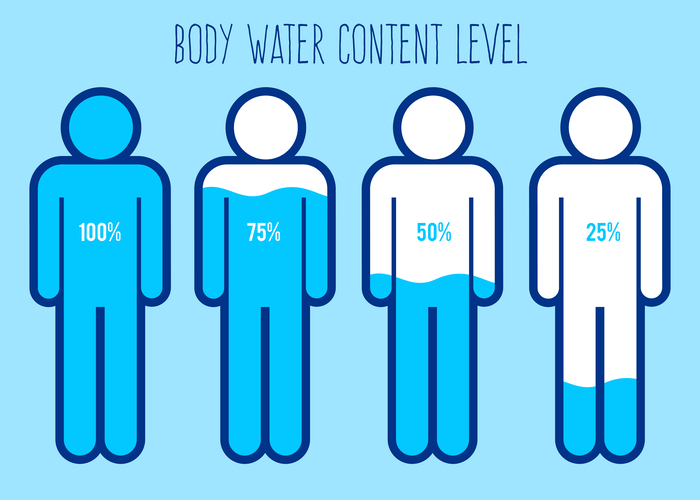
What does drinking alcohol do to your body?
Psychological therapies, as well as medications, can provide long-term relief for these problems, which addictions tend to worsen over time. While it can be disheartening and frustrating, relapse http://mpilot.ru/items1-view-11223.html is quite common. However, as the National Institute on Drug Abuse (NIDA) explains, relapse does not mean that treatment has failed. The chronic nature of addiction means that relapsing is often part of the quitting process. Other ways to prepare include deciding what approach you plan to use to overcome your addiction and getting the resources that you need to be successful.

Communication skills can be taught, and you can improve them on your own. In order to communicate effectively, you must first create a positive tone. Point out positive things your partner is doing, perhaps in response to requests you previously made. Don’t make global criticisms, but describe how the problem affects or bothers you. The same communication principles apply to marital communications, those between parents and children, and those with other relatives or co-workers. Identifying existing resources can be energizing and inspiring.
- In other words, any technique that appeals to you can be effective, so long as the technique is empowering and not self-denigrating.
- There is enduring resolution of what once was problem behavior.
- PLUS, the latest news on medical advances and breakthroughs from Harvard Medical School experts.
- Women for Sobriety focuses on the needs of women with any type of substance use problem.
You may no longer feel any need for the addiction, so it ceases to have any presence in your life. Changing your initial reactions as much as possible is followed by deeper changes in coping with your feelings and the things that set them off. Since these often involve people, such changes call http://www.scoota.ru/video/509%20title= into play your communication skills. In addition to the skill of relaxing and centering yourself, you need certain resources, without which it is not possible to maintain an independent, self-respecting life. These independence-supporting resources include structure, interests, healthfulness, and contentment.
What Risk Factors Contribute to Marijuana Addiction?
Demoralization is much more harmful to the recovery process than being over optimistic. My Uncle Ozzie was http://sun-soft.ru/games/arcade/40895-the-bad-the-ugly-and-the-sober-repack-element-arts.html born in Russia in 1915 but came to the United States as a small child. Outwardly calm, Ozzie did not have obvious reasons for smoking.
Drunk Driving: The Dangers Of Alcohol
Visual functions begin to decline with a blood alcohol concentration (BAC) of just .02%, the equivalent of only one to two drinks. It becomes harder for your eyes to rapidly track moving objects, like cars or pedestrians. However, other states allow judges to order a short jail sentence. The laws in many states also impose fines for underage DUI violations. An impaired driving incident will also result in driver’s license penalties. DUI offenders will often have to complete a term of probation after serving a minimum number of days in jail.
Alcohol Abuse Impairs Vision
Driving while under the influence of alcohol not only endangers your life, but also those of others on the road. However, it’s essential to keep in mind that each person reacts differently to alcohol. Alcohol consumption impairs judgment, reaction time, vision, coordination, and concentration – all crucial for safe driving.

Reaction Time
Another thing that happens when you get a DUI is that you will be given a ticket or a summons at the time of your arrest. This tells you the date that you must appear in court to face driving under the influence charges. In some states, you can be released immediately if someone comes to jail, pays your bail, and drives you home.
Blood Alcohol Content
A motor vehicle may include car, truck, bicycle, golf cart, snowmobile and jet skis. Each state has its own laws surrounding DWI convictions such as the fines involved, jail time and possible revoked or suspended license. Depending on the legal charges, some states may also require community service time or alcoholism treatment.
- The negative consequences of drunk driving impact every level of our society.
- However, some populations are more likely to get behind the wheel of a car after drinking.
- Drivers who are younger than 21 years old are generally prohibited from consuming alcohol and are certainly prohibited from driving after drinking.
- To reduce alcohol-related fatal crashes among youth, all states have adopted a minimum legal drinking age of 21.
Journal of Studies on Alcohol

Some jurisdictions may have a mandatory jail sentence, which means the presiding judge must impose it. In other jurisdictions, a jail sentence will be left to the judge’s reasonable discretion. Alcohol, no matter how much or how little, can influence your concentration. With driving, there are many things that require your undivided concentration such as staying in your lane, your speed, other cars on the road and traffic signals. Your attention span is dramatically reduced with drinking, which significantly increases the chance of an accident.
- The reasons range from lack of planning and lack of resources to a person’s location or even their upbringing.
- The severity of a DUI charge can increase the amount of bail you must pay to get out of jail.
Some say even asking someone else for a ride or using the designated driver method could be considered unreasonable because people often live far from each other. For example, when encouraged by others, people may drink more than planned or drink when they didn’t plan to at all. Or they may drive drunk because their friends perceive them to be the least intoxicated person in the group (4).
Getting a DUI may also result in emotional consequences such as depression or PTSD, which affects your mental health. What happens when you get a DUI (an arrest and conviction for drunk driving) depends on what state you live in. Getting a DUI can also result in negative consequences for your relationships, job, social life, finances, and mental health. In many states, an impaired driving conviction requires the offender to complete an alcohol and drug evaluation, the results of which can be used by the judge to decide whether treatment is appropriate. Depending on the circumstances, the driver might have to complete inpatient or outpatient substance abuse drinking and driving consequences treatment or just an educational course on substance abuse. A DUI based on BAC level is often called a “per se DUI.” Some states also have per se limits on the concentration of certain drugs and controlled substances in the driver’s system.
- Heavy drinking affects your motor skills such as eye, hand and foot coordination.
- Car crashes are a leading cause of death for teens, and almost a third of young drivers killed in fatal crashes involved underage drinking.
- Alcohol-related accidents accounted for nearly one-third of all traffic-related deaths.
- States commonly require even first-time offenders to complete DUI education before their licenses can be reinstated.
The Legal Consequences of Alcohol Misuse
Driving under the influence of alcohol not only poses a threat to your safety and the safety of others, but it can also have legal consequences. If you are pulled over for suspected DUI or DWI, a police officer may request that you take a field sobriety test to evaluate your motor skills and judgment. If you fail the test, you may be asked to take a breathalyzer or BAC test. Failing the BAC test can result in a night in jail and charges for DUI or DWI. Penalties for drinking and driving have increased in all states and can vary. If you cause an accident while driving drunk, the penalties are more severe, and even stricter if someone is injured or killed.
Effect of different alcohol levels on take-over performance in conditionally automated driving
If you left the keys in the ignition, it is evidence of a DUI offense, even if you parked and slept. A drinking-related condition is also known as a dual diagnosis or co-occurring disorder. Directly after drinking alcohol, your heart rate and blood pressure rise. Once the substance is out of your system, your vital signs return to normal. Other than the state of Utah, .08 BAC is the legal driving limit in the U.S. At a .04 BAC, a person can lose control of small muscles, including focus.
Indigenous victims of Arizonas sober living scam sue the state
The campus is huge and very nice with a comfortable hostel and a spacious food court with good variety of .dishes and what I liked very much is swimming pool in two minutes walk.MDIS pays a lot of attention to a quality of education. After classes we had workshops which, in my opinion, were very useful as they showed us the opportunities of different professions.I’m so happy I’m going to MDIS after leaving school. Amplifying the voices of Arizonans whose stories are unheard; shining a light on the relationships between people, power and policy; and holding public officials to account. In 2023, Mayes called the fraud a “stunning failure” of the government and said that their office would work to address it adequately. Stewart still works to help the Indigenous people victimized by the scam in Arizona because it is still happening.
Halfway Houses
But the rise of the sober-curious lifestyle could easily become a major social trend that produces some huge stock winners in 2025 as well. For example, a few of my friends are doing “Dry January,” wherein you abstain from drinking alcohol for the entire month. It has https://yourhealthmagazine.net/article/addiction/sober-houses-rules-that-you-should-follow/ become a common New Year’s resolution that a lot of people try every year.
She said her small team’s recent outreach efforts included handing out care packages to more than 260 people. So, when the BrewerWood law firm reached out to Stewart about her expertise on the online crisis, she hesitated to speak with the lawyers because she was unsure if it was the best move for the people. The scheme harmed thousands of Indigenous people who have either been killed, drugged, physically hurt, gone missing or were left on the street and abandoned in the city after falling victim to the scam. “The key is targeted, funded enforcement and that’s what Florida has gotten right,” Sheridan said. “They knew they had to attach some legislative funding to the state attorney’s office and not to the licensing bureau. That’s permitted the hiring of investigators and prosecutors that focus solely on this kind of fraud.” One bill, sponsored by Sen. Theresa Hatathlie, D-Coal Mine Mesa, died in the House Health and Human Services Committee after making it through the Senate.
AA Meetings Directory is pivotal in providing comprehensive resources that equip individuals with the tools needed for sustainable recovery. By leveraging AA community resources for sustainable recovery, members gain invaluable insights and strategies for maintaining sobriety. The directory offers guidance for finding AA meetings tailored to individual needs and geographic locations, ensuring each person has access to the support they require. By utilizing these resources, individuals can anticipate potential challenges, find appropriate Intensive Outpatient Programs, and effectively employ strategies for a sustainable, resilient recovery path.
Regular group meetings or shared activities help foster this bond, creating a strong support system that can make a big difference when challenges arise. You’re not doing this alone, and that’s one of the key strengths of sober living. The idea is to help you stay productive and engaged, giving you a sense of purpose while you rebuild your life. Additionally, there are often household responsibilities—everyone chips in to keep the living space clean and orderly. It’s a lot like being in your own place but with a supportive network around you.

The average stay is about 90 days, although some individuals stay as long as one year or up to three years. As recovery is an active process, residents must engage in recovery activities like therapy sessions and support group meetings. These activities ensure residents are continually working on their recovery, thus preventing relapse and promoting sustained sobriety.

Individuals are encouraged to educate themselves about these signs, ensuring they are well-prepared to manage their addiction treatment services insight through informed strategies. Relapse prevention remains a pivotal focus within the AA support system, as it empowers members with tools and strategies to maintain sobriety. By prioritizing sustainable recovery strategies, individuals learn to anticipate potential triggers and develop proactive sober house coping mechanisms.
The Benefits of Sober Living Homes
The home-like environment further instructs residents on budgeting, saving, and managing personal expenses like rent, essential for everyday life. Residential treatment programs are much more structured and intensive than those in sober living houses. Sober living homes and halfway houses are both types of residential environments designed to support those in recovery from addiction. While there are similarities between these two types of community, there are also important differences to consider. You can join a sober living home immediately after rehab, or you may find that adjusting to life outside of rehab is difficult.
How Does Someone End Up in a Halfway House?
Sober living environments in California are typically designed to provide a supportive and structured space for individuals in recovery to transition back into independent living while actively maintaining their sobriety. Can I live in a sober home and remain in medication treatment for a substance use disorder? However, not all sober living houses accept people taking controlled substance medications, even methadone, buprenorphine, and other approved medications for a substance use disorder.
Building Foundations of Transformative Sobriety
Having people around you who hold you accountable can be the difference between staying on track and slipping into old habits. In sober living, residents typically contribute to the cost of rent or household expenses. Budgeting and managing money might feel new or intimidating, especially if addiction led to financial instability.
- “The state suspended, terminated, and got rid of people with a knee-jerk reaction.
- You’ll still attend group meetings and have a support system, but you can come and go out of the home whenever you’d like.
- Everyone is working towards the same goal, and that shared experience creates a natural support system.
- AHCCCS also created a hotline that victims displaced from shuttered programs could use to request temporary housing, transportation back to their tribal communities and treatment.
- The agency said it could not comment on the pending litigation but provided a joint statement with ADHS.
- The city has a lot of parks, gardens as well as skyscrapers and various sights.
The structured environment helps you prioritize tasks and manage your time effectively. A lot of people imagine sober living as being strict or overly structured, but that’s not really the case. While there are guidelines to follow (more on that later), sober living is about creating a healthy routine that supports your recovery.
Sober living houses make it easier to establish friendships, and because you will be living with others going through similar experiences, it will make the recovery process feel less isolating. Chances are that your addiction threw your life out of balance, and the idea of maintaining schedules and managing responsibilities might seem nearly impossible, but establishing healthy routines is an important part of early recovery. Sober homes have sets of rules and schedules that you are required to adhere to. This will not only hold you accountable but will also help you gain greater self-sufficiency, become more responsible, and relearn how to live a healthy, productive life.
It acts as a bridge between the structure of a treatment center and the independence of everyday life, giving you time to adjust. The gradual transition allows you to practice coping strategies in a safe environment. Another great benefit is the potential to make great and lasting friends who will be there for you even after you leave the sober living home. Additionally, sober living encourages you to create healthy habits that will make it easier to maintain your sobriety in the long run. Residential or inpatient treatment centers work exclusively with people struggling with severe addictions.
Admissions Resources
So by setting a cap on how much people could claim, then that would start to sort of de-incentivize the fraudulent billing. Nor have they received an acknowledgment of their loss — not from AHCCCS or the owners of the sober living homes where he stayed. According to police, Jeffrey Hustito checked into another sober living home on Dec. 26, this one in the suburb of Glendale.
This robust approach not only bolsters resilience but fosters a holistic recovery lifestyle with AA, ensuring long-term success on their transformative sobriety journey. Infinite Recovery in Austin, TX offers a supportive, structured sober living environment to help you succeed. With the right mix of accountability and community, we’re here to help you build a life free from addiction. During my secondary school I decided to study abroad to explore other countries and cultures, meet new people with different backgrounds and get a higher level education.
Opioid Withdrawal StatPearls NCBI Bookshelf

Monitor the patient for signs of withdrawal and intoxication and adjust the methadone dose accordingly to Methadone Withdrawal find the patient’s maintenance dose. The maintenance dose will usually be between mg, but may be higher or lower, depending on the patient’s history of opioid use. Because methadone has a long half-life, it is necessary to provide a prolonged infusion or multiple doses of naloxone over several hours. Patients who have overdosed should be transferred to a hospital and monitored for at least four hours. Patients must also be able to give informed consent for methadone maintenance treatment. People who leave closed settings often relapse to regular drug use within a few days or weeks of being released.
Average Methadone Withdrawal Timeline
In May 2018, the FDA approved lofexidine hydrochloride, the first non-opioid for managing opioid withdrawal syndrome. Lofexidine hydrochloride is an alpha-2 adrenergic agonist indicated for the acute discontinuation of opioids. It works by binding to receptors on adrenergic neurons, which reduces and sympathetic tone and decreases norepinephrine release (NE).7 According to FDA guidelines, it can be used for up to 14 days. Although there is no diagnostic test for opioid withdrawal, urine toxicology must be checked to rule out withdrawal from any other drugs or combination of drugs. Urine toxicology is positive for most opioids such as morphine, heroin, codeine, oxycodone, and propoxyphene) for 12 to 36 hours after use.
- This reduces their withdrawal symptoms and cravings for opioids.
- I’d often lose a lot of progress during the transition from one facility to the next.
- If you’ve taken opioid medicine for more than 7 to 10 days, it’s likely you need to stop soon — and stop slowly — to keep from having symptoms of withdrawal.
- Opioid withdrawal can cause pregnancy complications, including fetal stress and even fetal death.
Methadone Withdrawal Schedule: Timelines & More
If you have opioid use disorder, you probably know what to expect from opioid withdrawal. Feeling like you have a terrible flu, vomiting, diarrhea, sweating, and insomnia are all common. With a short-acting opioid, these withdrawal symptoms can be intense but typically peak within a couple of days and begin to resolve. When used correctly, methadone allows people to quit heroin and prescription painkillers without going into withdrawal. At a “maintenance dose,” https://ecosoberhouse.com/ it prevents withdrawal symptoms without causing a high or leading to sedation.
Social Support
Tapering methadone means gradually taking smaller doses over several weeks or months. Although tapering is considered the best way of detoxing from methadone, it can still be challenging. You may still experience withdrawal symptoms each time your dose is cut. By working closely with a physician, you can extend your taper timeline and reduce your dose by smaller increments if necessary. Still, because this timeline is highly variable, patients must come to a licensed methadone clinic daily in order to receive their medication. Most individuals are not permitted to take the drug home with them because of its potential for abuse.
- Drug Enforcement Administration found during an audit earlier this year.
- Naloxone is an antagonist and is sometimes used to reverse a heroin or methadone overdose.
- People often take this drug for at least 12 months, with some individuals taking it for years.
- The only residential facilities I’ve heard where you can have vapes are the “sober living” houses, which unlike the halfway houses are privately run and not tied to Medicaid.
- Your midwife, or health visitor, together with your prescriber can advise you how to wean your baby gradually.
How long it takes to taper off your medicine depends on the type and dose of the opioid you’ve been taking and how long you’ve been taking it. You may need weeks, months or even longer to slowly and safely lower your dose and stop taking your opioid medicine. According to DSM-5, the following disorders must be ruled out first when treating a patient with opioid withdrawal. As of December 2022, the MAT Act has eliminated the DATA-Waiver (X-Waiver) program. Practitioners registered with the DEA and holding Schedule III authority are now authorized to prescribe buprenorphine for OUD within the bounds of state law.

He pointed out that patients can overdose on methadone, which is itself an opioid. Kaiser lost custody of her son when she was using illegal opioids. She credits methadone with getting him back and the new rules with helping her stick to treatment. Dr. Yngvild Olsen, who directs substance abuse treatment for SAMHSA, said regulators first tried out the new rules as a COVID measure and, as she put it, the sky didn’t fall.

Health Challenges

Because methadone is a long-acting opioid, the drug can remain active between 8 and 59 hours. This means that withdrawal comes on more slowly and lasts longer. Your symptoms may start mild and become more severe over the course of a few days.

Detox Timeline
This is part of the reason these substances can cause dependence. Methadone is a common choice for medication-assisted treatment. Even though it can be habit-forming, when used correctly, it can help you overcome more intense drug dependencies. By Corinne O’Keefe OsbornCorinne Osborn is an award-winning health and wellness journalist with a background in substance abuse, sexual health, and psychology. Opioid withdrawal is rarely dangerous for healthy adults, but some people need to be more cautious than others.
Informed consent and treatment planning
Being in MMT in the closed setting and then continuing treatment in the community reduces the risk of relapse. If you have withdrawal symptoms, tell your healthcare team right away. Follow all instructions about how to manage your withdrawal symptoms.
You may have withdrawal symptoms when you stop or lessen the use of opioid medicine. Symptoms may vary depending on several issues, such as the speed of the opioid taper and how long you’ve used opioid medicines. Tapering over time can help lessen withdrawal symptoms or keep you from having them. If you feel the need to manage withdrawal symptoms, talk to your healthcare team right away. Once your opioid taper starts and you’re taking a lower dose of opioids, you start to have a lower tolerance to opioids. If you suddenly take a higher dose of opioids, you’re at an increased risk of overdose.


 /wabisabisupplement