
Clinical pharmacology of β-3 adrenergic receptor agonists for cardiovascular diseases

The potency of an agonist is inversely related to its half maximal effective concentration (EC50) value. The EC50 can be measured for a given agonist by determining the concentration of agonist needed to elicit half of the maximum biological response of the agonist. The EC50 value is useful for comparing the potency of drugs with similar efficacies producing physiologically similar effects. The smaller the EC50 value, the greater the potency of the agonist, the lower the concentration of drug that is required to elicit the maximum biological response.

Agonist vs. Antagonist: Understanding the Differences
Many commonly used pharmacological agents target inhibitory GABA receptors. GABA receptor antagonists including bicuculline have a net effect of increasing neural excitability, as they prevent the normal inhibitory effects of GABA signaling. For example, muscimol is a commonly used GABA receptor agonist that is often used during behavioral and/or in vivo electrophysiology experiments to inhibit neural activity.
Cannabis, cannabinoids, and receptor responses
A drug with zero intrinsic activity is an antagonist (as discussed later). For the muscarinic acetylcholine receptor, which is a G protein-coupled receptor[10](GPCR), the endogenous agonist is acetylcholine. They were followed up to the end of the study period (June 2020) or censored during a switch.
What are the side effects of beta-agonists?
Agonist potency is derived by measuring the concentration of agonist required to induce half of the maximum response, called the EC50 value. Therefore, agonists with greater potency will have smaller EC50 values. Agonist potency is often calculated in the pharmaceutical industry, as the dosage for drugs that act as agonists is dependent on the EC50. The diagram below demonstrates the difference between naturally occurring agonists, the potency of drug agonists, and the inhibition of agonist effects via antagonists. Also called indirect binding agonist drugs, they promote the binding of the natural ligand to the receptor site.

Risk of Gastrointestinal Adverse Events Associated With Glucagon-Like Peptide-1 Receptor Agonists for Weight Loss

The higher the dose of the GLP-1 agonist, the more extreme the effects. This relaxes the muscles in your airways, allowing them to open up. You’ll usually hear do you genuinely like the feeling of being drunk them called “bronchodilators.” These can be short-acting beta-agonists (SABA), which usually come in rescue inhalers, or long-acting beta-agonists (LABA).
- An antagonist is the opposite; it binds to a receptor but rather than activating it, it blocks action.
- To understand how GLP-1 agonists work, it helps to understand how the naturally occurring GLP-1 hormone works.
- For example, in the case of the knee, muscles of the posterior thigh cause knee flexion and anterior thigh muscles cause knee extension, which is opposite of the rules stated below for most other joints.
- GLP-1 agonists are a class of medications that mainly help manage blood sugar (glucose) levels in people with Type 2 diabetes.
Agonist drugs can produce a maximal or partial activation of a receptor. [3, 4, 5] Partial agonists can bind to a receptor, but they only have limited efficacy. Conversely, maximal agonists will produce demi moore has done a great job of recovery the greatest response and are the most effective of the two. GLP-1 also decreases the secretion of glucagon—a pancreatic hormone that helps to prevent blood sugar levels from dipping too low.
Partial Agonist is a molecule or chemical compound that can bind to a receptor and weakly activates the receptor, thus producing a submaximal biological response. It has the property of affinity but has less intrinsic efficacy than a full agonist. Partial agonist shows intrinsic activity greater than 0 but less than 1. For example, Buprenorphine is a partial agonist at the μ receptor. An agonist is a chemical that activates a receptor to produce a biological response. Receptors are cellular proteins whose activation causes the cell to modify what it is currently doing.
Essentially, it’s like a key that fits into a lock (the receptor) and opens a door (triggers a response in your body). The decades of intense scientific research to understand how agonists affect protein receptors have allowed drug manufacturers to design drugs with varying degrees of specificity to treat human diseases. Consequently, more work is needed to better understand the role of receptor activity in physiological functions and health conditions to develop novel drugs. Hopefully, in the coming decades scientists will develop drugs with high selectivity and fewer adverse effects.
For sustained, chronic delivery of a drug over multiple days or weeks, a scientist can use specially implanted osmotic minipumps that infuse the drug through an implanted cannula. Some pharmacological agents can be used to irreversibly ablate neurons. For example, ibotenic acid causes excitotoxic effects when directly injected into the brain.
There are beta-1, beta-2 and beta-3 receptors that can be targeted with beta-agonists. The most common beta-agonists are beta-2 agonists, which are used to treat chronic obstructive pulmonary disease (COPD) and asthma. Activating beta-receptors relaxes the muscles in many organs, including your lungs, which helps you breathe better. They can also increase your heart rate and how well your heart works. Serotonin, a natural neurotransmitter or chemical messenger in the brain, is a natural agonist for the 5-HT2A receptors.
Has come to mean any substance that can activate cannabinoid receptors that is not endogenous or derived from C. In addition, people with impaired kidney function due to diabetes who have a GFR (glomerular filtration rate) alcohol use disorder and depressive disorders alcohol research of 30 or less should not use Bydureon or Byetta but may be able to take another GLP-1 receptor agonist. These include nausea, vomiting, and diarrhea, which affect 10% to 40% of people who take a GLP-1 receptor agonist.
Irreversible antagonist drugs bind strongly to the receptor through covalent bonds and cannot be displaced or washed out. They permanently modify the receptor and prevent the binding of the natural ligand. An inverse agonist is a drug that produces the opposite effect by binding to a receptor. In other words, an agonist increases the activity of the receptor, whereas an inverse agonist decreases the receptor’s activity below the baseline. For example, an antihistamine medication, an H1 receptor antagonist, has some inverse agonist activity.
Agonists can mimic natural substances in your body and enhance certain biological processes. For example, they might stimulate muscle contraction or relieve pain. Antagonists can stop or reduce the effect of certain substances, like how certain medications prevent the feeling of pain by blocking pain signals. On the other hand, when an antagonist drug is given to a patient, it blocks the addictive drug from activating the receptors of the brain.
Used in combination with diet, exercise, and oral diabetes medicines, these drugs help to lower hemoglobin A1C levels and improve blood pressure, cholesterol levels, and beta-cell function. Your sympathetic nervous system activates your “fight-or-flight” response. This response diverts your body’s resources to the most critical organ functions — like those in your muscles, lungs and heart — in dangerous or stressful situations. Providers commonly prescribe inhaled bronchodilators, like short-acting and long-acting beta-agonists, to treat COPD, asthma and other breathing conditions.
An agonist is a compound that can bind to and cause activation of a receptor, thus mimicking an endogenous ligand. A partial agonist is a compound that can produce an agonist-like effect but not to the maximal extent of the full agonist or endogenous ligand. An antagonist binds to the receptor but does not cause activation, preventing the endogenous ligand from binding and thereby blocking its biological activity.
An inverse agonist binds to the same receptor as the natural ligand, but produces the opposite effect (i.e., inhibition instead of activation of the receptor). An agonist is a molecule that can bind and activate a receptor to induce a biological reaction. The activity mediated by agonists are opposed by antagonists, which inhibit the biological response induced by an agonist. The level of agonist required to induce a desired biological response is referred to as potency.
What is DMT Dimenthyltryptamine? Effects, Facts, and More

The psychedelic community highly recommends any individual with a history of epilepsy or schizophrenia consult with a psychiatrist prior to using DMT. Healthcare providers must be aware of the potential for co-ingestion of other substances, which can complicate the clinical picture and necessitate additional treatments. Additionally, the substance can cause depersonalization, auditory distortions, and an altered sense of time and body image. In severe cases, long-term use may result in serious consequences, including flashbacks, coma, and even death. The hypothesis that the pineal gland produces DMT was popularized by Dr. Rick Strassman’s research in the 1990s.
If you consume DMT by way of ayahuasca, it has to pass through your digestive system first. When DMT is smoked or injected, you begin to feel the effects almost immediately. People report they start hallucinating within about 45 seconds. Sign up for the Reality Bites newsletter and embark on a journey into the world of psychedelics, mindfulness, and transformation. Cannabis Research Explains Sociability BehaviorsNew research by Dr. Giovanni Marsicano shows social behavioral changes occur as a result of less energy available to the neurons.
In severe cases, a person may experience seizures, lose consciousness or die. It can be dangerous to combine ayahuasca with certain types of medications, including common antidepressants known as selective serotonin reuptake inhibitors, or SSRIs. Mixing the hallucinogenic tea with these drugs may cause a dangerous spike in serotonin levels, according to a widely cited 1998 article in the Journal of Psychoactive Drugs. The risk of overdosing on DMT increases when a person takes it with other drugs or alcohol.
Potential for Addiction
HPPD is more commonly known as “flashbacks.” Both are rare and may be more likely to occur in people with preexisting mental health conditions. In some cases, the interaction of DMT with monoamine oxidase inhibitors, commonly used in ayahuasca preparations, may result in serotonin syndrome. This is characterized by high blood pressure and seizures, potentially leading to fatal outcomes. DMT effects on health can lead to several problems, including hypertension, seizures, loss of muscle strength and coordination, respiratory arrest, and coma. Other common conditions that can result from the use of hallucinogens like DMT include psychosis and hallucinogen-persisting perception disorder (HPPD).
Substance Abuse Treatment

However, if you find a psychological need has developed, it’s best to consult with your doctor or a treatment center. Side effects like respiratory arrest – when a person stops breathing – and cardiac arrest or heart attack have been known to can you od on dmt occur when large doses of DMT are ingested. If you recognize these signs in yourself or a loved one, it’s time to get help. Our Massachusetts inpatient drug rehab separates patients from daily distractions, temptations, and triggers. This program is most beneficial to individuals struggling with a severe drug or alcohol addiction who need 24-hour care.
- One of the long-term effects of DMT use is hallucinogen-persisting perception disorder (HPPD).
- It’s been linked to coma and respiratory arrest as well.
- Take one or two hits from a pipe or vape, or a small snort of powder, then hold off to see how it effects you.
What to Know Before Microdosing DMT
If you’re concerned about your drug use, there’s help available. If you feel comfortable, you can bring it up to a doctor. Keep in mind that patient confidentiality laws will prevent them from reporting this information to law enforcement. If curious about trying DMT, it’s important to take certain steps to reduce your risk for serious effects.
There aren’t any reports of toxicity from long-term use of DMT. But there is concern over the effects it might have on heart health, since it raises blood pressure. Like all drugs, DMT can cause side effects, both short-term and long-term. Some users have reported feeling like they’re going through a near death experience, and become very quiet and inward-looking as a result. As with any hallucinogenic drug, people can react unpredictably when they’re on DMT. Many people describe experiencing an abrupt comedown within 10 to 15 minutes of tripping.
Experimental knowledge suggests DMT users do not combine the substance with anything other than MAOIs. Most users recommend following an MAOI diet prior to consuming an MAOI. This does not mean taking an open flame to your DMT as it will burn and become inactive.
HPDD treatment can include antidepressant and antipsychotic drugs to control mood and treat psychosis. Behavioral therapies may help with the confusion or fear that comes from visual disturbances. Although it is not classified as an addictive substance, it has health risks, can create frightening hallucinations, and could cause psychological dependence. DMT is the main active ingredient in another substance called ayahuasca, which is a psychoactive brew. N, N-dimethyltryptamine usually comes in the form of a white, crystalline powder that can be smoked, injected, vaporized, or snorted.
Brighton Sober Living & Community Center, Salt Lake City, Utah: Reviews, Insurance & Info

These addiction treatment programs often encompass medical detox, outpatient, inpatient, and partial hospitalization programs. You’ll find each program includes individual and group therapy, and educational groups to provide you with the tools to achieve and sustain your recovery. Most addiction professionals will confess that the best results for long-lasting sobriety includes ongoing direction offered sober living programs. Although they aid in early Recovery, sober living homes are not the same as addiction treatment facilities. Along with treatment programs, addiction treatment facilities provide comprehensive medical and therapeutic assistance.

Residential Treatment
So when people come to treatment at Brighton, we look at both, they’re assessed for both. Avenues NYC is not an addiction treatment, rehabilitation, medical or health services organization. The services and facilities provided by Avenues NYC (collectively, “Services”) do not include, comprise or involve any form of medical advice, oversight, diagnosis, care or treatment. The Services should only be used in conjunction with the guidance and care of your physician(s).
Brighton Recovery Center for Women
BCC is a 42-bed, co-ed (with gender-specific quarters), sober living and outpatient treatment program, modeled on a hybrid structure of staff and resident-run programming. Onsite staffing is responsible for supervising the accountability of the residents’ levels of treatment and reintegration-focused aftercare. The residents are https://ecosoberhouse.com/article/psychological-dependence-on-alcohol-physiological-addiction-symptoms/ responsible for earning a place in the community system of the BCC campus, with promotions available as house leaders, co-leaders, and various other positions within the center’s economy. Upon arrival at Avenues NYC, residents meet with their personal service coordinator to discuss their history, their needs, and their goals.
Choose from the links below to find Transitional housing in Colorado
- You will need tools and resources to get through the complex challenges ahead.
- Clients in a sober living program are committed to their recovery regimens.
- The level a patient begins at will be determined during an initial assessment with their intake coordinator.
This lets residents safely re-experience life’s challenges while forming wholesome routines, structures, and habits. Search by state then by city to find sober living homes near you and throughout the U.S. A Bangor nonprofit that provides affordable housing brighton sober living to people recovering from addiction bought two new homes that will bring the organization’s capacity to 152. Located beside the breathtaking Wasatch mountain range in Utah, our state-of-the-art recovery centers span a combined total of 26 acres.
- For some people, returning to their familiar surroundings might be challenging.
- The most valuable resource you can have is a network of people willing to help you.
- 12-step meetings and other recovery resources are located all around this stately sober living home.
- At Brighton, you will find more than a sober home; you’ll find a community.
Brighton Recovery Center Understands Your Recovery is Everything!
Tips for choosing a transitional housing or sober living program
STAFF MEMBERS

- Day treatment curriculum will cover many tools and skills taught in residential treatment and is focused on transitioning a person through the reintegration process of going home after treatment.
- You can also select payment options, ages, languages spoken and more.
- Relationships are strained by addiction and often get lost in the wake.
- Successful recovery requires an environment that provides comfort, beauty and support, which is why our addiction recovery centers are like no other.
- Also, the professional family consultants at Therapy Insider recommend to have at-risk young adults receive direction away from the negative influences of unsupportive peers.
- NARR is the largest recovery housing organization in the U.S., operating in 26 states.
Also interesting: https://elit.moskva.one
Learn About Prevention
As in the case of the first edition, the Standards summarize the currently available scientific evidence, describing interventions and policies that have been found to result in positive prevention outcomes and their characteristics. Concurrently, the document identifies the major components and features of an effective national drug prevention system. It is our hope that the Standards will assist policy makers worldwide to develop programmes, MASH Certified Sober Homes policies and systems that are a truly effective investment in the future of children, youth, families and communities. This work builds on and recognizes the work of many other organizations (e.g. EMCDDA, CCSA, CICAD, Mentor, NIDA, WHO) which have previously developed standards and guidelines on various aspects of drug prevention. Individual factors include whether a parent misused drugs, a history of trauma, and a lack of social attachment.

DrugAbuse.com is a free resource provided by American Addiction Centers (AAC) to help you start your addiction recovery. Of the patients they looked at, 18% reduced their use and another 14% fully abstained from using. Americans may not say it aloud, but drug addiction has long been considered a moral failing. “Just say no,” as Nancy Reagan famously declared during the crack-cocaine epidemic of the 80s. If you or a loved one is struggling with substance abuse, WebMD Connect to Care Advisors are standing by to help. But tobacco has a chemical called nicotine that gives you a little rush of pleasure and energy.
Steps for Overcoming Drug Addiction
Taking this knowledge into account will enable the formulation of policy solutions that are appropriately targeted to different subgroups and environmental contexts. It is also interesting to note that, of the three highly rated universal, school-based programs listed above (LST, PA, and GBG), only LST was designed specifically to be a SUD EBPP. The other two, PA and GBG, had other intents but nonetheless had the effect of reducing substance use as one of their outcomes, a likely result of the Rat Park Effect – that social and environmental enrichments in themselves reduce substance abuse and addiction. The GBG program, for example, is most strongly indicated for aggressive male elementary school students, who, as a result of the intervention, exhibited significantly less aggressive and disruptive behavior than their control classroom counterparts. This reduction in aggression yielded subsequent long-term benefits; by the time they reached young adulthood, the formerly aggressive GBG kids were less likely to develop SUDs (29% vs 83% in controls) and less likely to display violent and criminal behavior (34% vs 50%) [45].
Funding for substance use prevention services currently derives from a variety of sources but primarily from federal, state and local governments. At the federal level, the major funding sources are grants from SAMHSA and the CDC, while data to inform the need for prevention services are generated by these two agencies plus the National Institutes on Drug Abuse (NIDA) https://trading-market.org/alcohol-intolerance-diagnosis-treatment/ and Alcohol and Alcoholism (NIAAA) as well as the DEA. State and local funding comes from agencies that are directly related to substance use or to public health or mental health. Prevention services themselves are delivered primarily by community-based organizations, such as schools, prevention providers, social, family and health agencies, and law enforcement.
Treatment
Investments in specific programs may also be useful but only temporarily, depending on trends in substance use patterns and underlying conditions. The major focus of Mentor International and the drug prevention effort generally is to address demand reduction through education and other specific prevention efforts to address different groups and different levels of need and with the intention of achieving successful and effective outcomes. This is reflected in the effort to identify different evidence-based approaches to prevention that have proved to be effective in prevention through rigorous evaluation, both quantitative and qualitative. As indicated by the findings, in the review of substance addiction prevention, certain repeated matters raised which were evaluated in order to improve future choices and practices. As indicated, it is important to control the quantity and quality of the information35,36 to be essentially helpful to parents, teachers, and children.
Evidence-based interventions have been developed to target proximal factors that increase risk for SUD (e.g., behavioral problems, trauma, lack of parental involvement). Results from NIDA-funded research have shown that prevention programs involving families, schools, communities, and the media are effective for preventing or reducing drug use and addiction. Although personal events and cultural factors affect drug use trends, when young people view drug use as harmful, they tend to decrease their drug taking. Therefore, education and outreach are key in helping people understand the possible risks of drug use. Teachers, parents, and health care providers have crucial roles in educating young people and preventing drug use and addiction. A review of the research literature suggests an etiology model that is based on socialization processes, their impact on and interaction with personal characteristics, and other factors that either foster or hinder optimum development, wellness, and acquisition of healthy life skills.
Findings:
Harm reduction offers an opportunity to reach people who aren’t otherwise accessing healthcare services ― and offer them naloxone to reverse an overdose, and help connect them to other needed services. As an example, treatment services (such as medications for opioid use disorder) can be co-located with harm reduction services and offered as an option. Families and communities across the US have been devastated by the ready availability of dangerous synthetic opioids such as fentanyl, at a time when formal and informal protective support networks have been disrupted by the pandemic.
Alcohol Allergies and Intolerance
They can help determine if you’re allergic to a specific ingredient in the beer. “Development of hives or red bumps are commonly due to a reaction to histamines that can’t be broken down,” says Dr. Glatter. It’s the inability to metabolize these histamines that can cause an allergic reaction or flare-up, he says. Levels of histamines vary based on alcohol, but they will be in higher concentrations in beer and wine (especially red), he says.
- An alcohol allergy means you’re allergic to an ingredient in the drink.
- Your face may turn pink or red (alcohol flush) and feel warm.
- You may be intolerant – or even allergic – to alcoholic drinks.
- It’s possible to develop an alcohol allergy at any point in your life.
How does alcohol affect allergies?
- In the United States, about 2 to 3 percent of adults have some type of food allergy.
- An intolerance may arise when the body is lacking an enzyme that is needed to properly digest and eliminate a food or substance (or in this case, the alcohol itself).
More likely, you’re allergic to or sensitive to a particular ingredient in that beer. Sulphur dioxide is particularly common in home brewed-beers and wines as sodium metabisulphite. This is used in the cleaning of equipment and remains in very high levels in the brewing process.
Can You Be Allergic to Wine?
People with alcohol intolerance react quickly to consuming alcohol. Two common symptoms are facial flushing, in which the skin on the face quickly turns red, and nasal congestion. Problems in the immune system cause an alcohol allergy to develop, while genetic problems in the digestive system tend to cause alcohol intolerance. These problems make it difficult for the body to break down alcohol properly. In some cases, they might use an oral challenge test to diagnose an allergy or intolerance.
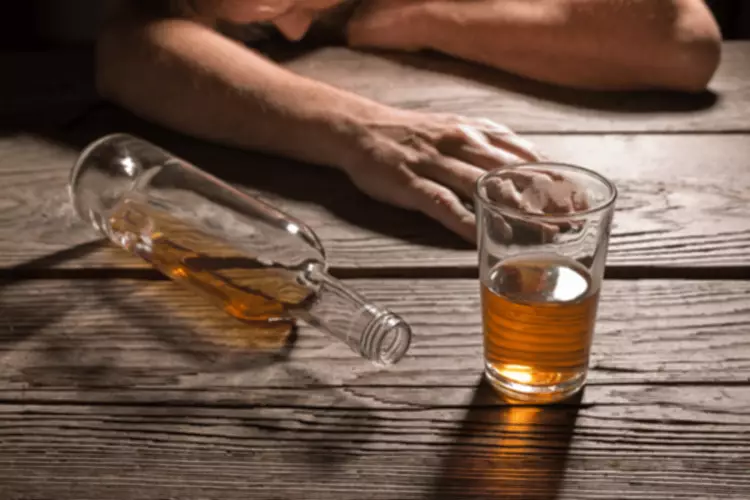
Frequently Asked Questions About Alchohol Allergy
Alcohol flushing syndrome is a major sign of alcohol intolerance. Your face, neck and chest become warm and pink or red right allergic to whiskey after you drink alcohol. But the hallmark symptom of alcohol intolerance is flushing of the skin of the chest, neck and face.
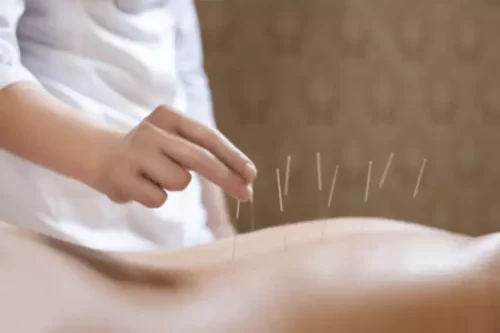
Developing an Alcohol Allergy
This article discusses allergies to alcohol, symptoms, triggers, tests, and treatment options. Some people with Hodgkin’s lymphoma experience pain after drinking alcohol. Hodgkin’s lymphoma is https://ecosoberhouse.com/article/6-successfull-and-motivational-sobriety-stories/ a type of cancer that can affect your lymphatic system. Many people with Hodgkin’s lymphoma develop enlarged lymph nodes. But in rare cases, they become painful after alcohol consumption.

 ➤ Related topic: https://sex.intim-moskva.one/dorogie
Levofloxacin Interaction with Food, Herbs, Alcohol & Caffeine
.jpg)
Stendra® offers an effective solution for ED—but like all medications, you need to use it responsibly for best results. While one or two alcoholic drinks on Stendra® may not cause serious problems for most people, combining these two substances can make certain risks and side effects more likely. As with any prescription medication, consulting a healthcare provider before combining Stendra® and alcohol is crucial.
Does Levaquin interact with my other drugs?
.jpg)
Combining this habit with antibiotic consumption can lead to many immediate complications, especially surrounding the liver. The liver is an important organ of the body and is mainly responsible for the metabolism of all medications. When it is already overwhelmed by alcohol, it may not be able to do its job of metabolizing medications properly.
However, doctors strongly recommended that patients avoid combining levofloxacin with alcohol. This is because the interaction between the two is a rather unpredictable and there is always a possibility that the alcohol levels in the blood and can alter the way levofloxacin is absorbed. This means that the antibiotic use may be insufficient to treat infections making the infection worse. While it may not be strictly prohibited, it’s ideally not recommended to consume alcohol while taking Levofloxacin. Alcohol could weaken your immune system, increase side effects, and impede your liver’s ability to process the antibiotic, potentially affecting treatment effectiveness.
Reyvow and other interactions
- Alcohol can have numerous effects on the human body and can ultimately cause heart disease, liver disease and even be fatal if consumed in large quantities over prolonged periods of time.
- Doctors will typically recommend you avoid taking St. John’s wort with Reyvow.
- In terms of what foods should be avoided when taking Levofloxacin, you should avoid dairy products and fruit juices fortified with calcium.
- The liver is an important organ of the body and is mainly responsible for the metabolism of all medications.
- Levaquin and alcohol can cause side effects if they are taken at the same time.
- Daily alcohol consumption can also overwhelm your liver, potentially interfering with Levofloxacin’s effectiveness and harming your liver.
- It is best to avoid drinking any type of alcohol while taking antibiotics like Levaquin whenever possible.
To avoid these unnecessary complications, it is advisable to wait for at least 3 days or 72 hours after the last dose of levofloxacin before recommencing the use of alcohol. For more specific advice, a doctor who can assess personal circumstances and provide guidance accordingly must be contacted. Moreover, a doctor also has the most up-to-date information based on a person’s current health status and can support them best. This is due to the potential interactions between the two substances, which can lead to serious medical conditions and side effects. In addition, alcohol can cause an increase in the levels of certain drugs in the blood, including Levaquin, which can increase its effectiveness and the chances of experiencing adverse reactions. Therefore, it is important for people taking Levaquin to avoid drinking any type of alcohol.
Levaquin and Alcohol/Food Interactions
Levaquin, also known as levofloxacin, is a fluoroquinolone antibiotic used to treat infections such as pneumonia, bronchitis, urinary tract infections, and skin infections. Like many antibiotics, Levaquin works by killing or stopping the growth of bacteria in the body. Depending on the medications and the amount of alcohol you drink, the combination can even cause liver damage. In some cases, people have even experienced seizures while taking fluoroquinolone antibiotics.
To learn more about Reyvow and antidepressants, talk with your doctor or pharmacist. High amounts of alcohol are well known to cause the side-effect anyway but taking it along with levofloxacin can potentiate this tremendously to a point where it significantly impacts a patient’s well-being. Looking back now, it’s clear that prioritizing health over temporary indulgence was wise since it allowed me to heal without unnecessary complications weighing me down during that time. Mixing Levofloxacin and alcohol may not always lead to immediate problems, but it’s important to know that alcohol can strengthen Levofloxacin’s side effects.
- This is because the combination can lead to dangerous side effects and may reduce the effectiveness of the medication.
- Additionally, be sure to drink plenty of water and maintain a healthy lifestyle by eating nutritious foods and exercising regularly.
- It can also lead to an increased risk of developing an irregular heartbeat or even a heart attack.
- Additionally, drinking alcohol while taking Levaquin can lead to issues with memory and attention.
- Levaquin is a member of a broader class of antibiotics called fluoroquinolones that carry the potential to trigger mental health issues.
- Firstly, drinking alcohol while taking Levaquin can cause disorientation, nervousness, agitation, and confusion.
What are the alternatives to drinking beer while taking Levaquin?
The antibiotic Levaquin (levofloxacin) is a widely-used medication that is used to treat a range of bacterial infections. It is important for individuals to take the medication as prescribed in order to get the best results. However, many people are wondering if it is safe to drink alcohol while taking Levaquin. Mixing can you drink alcohol on levaquin Levofloxacin and alcohol may not be lethal but can lead to seriously harmful side effects.
Never disregard professional medical advice or delay in seeking it because of something you have read on this website. This website does not recommend or endorse any specific tests, physicians, products, procedures, opinions, or other information that may be mentioned on the Site. Reliance on any information provided by this website is solely at your own risk. Even when you do not consume any alcohol, Levaquin is known to have a range of potential side effects. You should talk to your doctor immediately if you develop any of these symptoms.
Alcohol weakens the immune system, making it harder for your body to combat infections effectively. Daily alcohol consumption can also overwhelm your liver, potentially interfering with Levofloxacin’s effectiveness and harming your liver. It’s crucial to listen to the medical advice and refrain from combining Levofloxacin and alcohol to ensure effective treatment and avoid potential complications.
Are there alternative treatment options for bacterial infections if I want to consume alcohol?
Levofloxacin, a quinolone antibiotic, is prescribed to combat bacterial infections. In this article, we’ll explore the safety of alcohol consumption while on Levofloxacin, its potential reactions, and Levofloxacin’s side effects. Certain antibiotics have similar interactions with alcohol, where they may enhance side effects or reduce effectiveness.
When levoFLOXacin as the oral solution is given with enteral (tube) feedings, levoFLOXacin may not work as well. You could interrupt the feeding for 1 hour before and 2 hours after the levoFLOXacin dose. However, this still may not entirely avoid the interaction and may not always be feasible.
Depending on the type and dosage of the antibiotic a person takes, along with the frequency and dosage of alcohol they consume daily, the combination may even lead to liver damage. In conclusion, it is generally not advisable to consume alcohol while taking Levaquin. Alcohol can interfere with the medication’s effectiveness, increase the risk of side effects, and compromise your overall treatment. To prioritize your health and ensure the best possible outcome, it is always recommended to abstain from alcohol while on Levaquin.
Stages of Alcohol Detox: What Happens to Your Body

While naltrexone is generally well tolerated, nausea and headaches are the most common side effects. You can check in with your physician about side effect management, and if possible, look to manage side effects for several weeks to experience the positive effects and weigh the side effects and benefits. Experts point out that recovery is about more than just not drinking. In fact, there’s even a term for people who abstain but who don’t make vital life changes to break a misuse pattern, stop other unhealthy lifestyle habits, and address problems that probably led them to drinking.
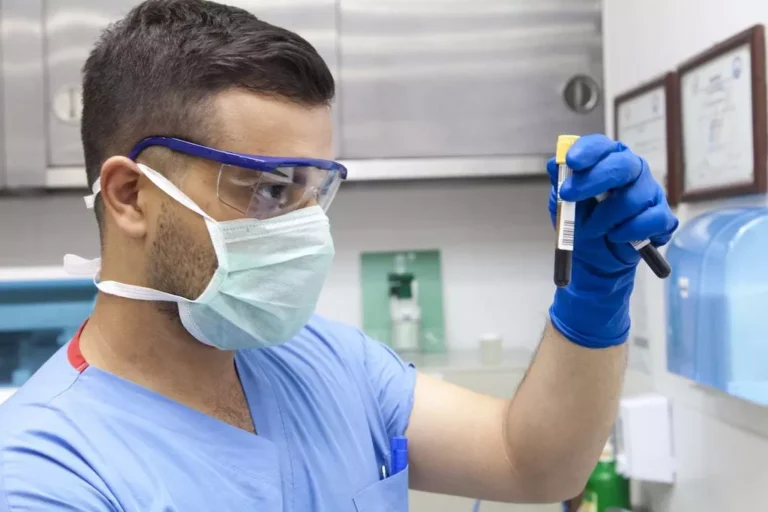
Stage 4: Maintenance and Relapse Prevention
But it has since been adapted for drug use and other addictions like porn and gambling. During this period, you can expect to develop new skills you may have never learned that made you more susceptible to AUD in the first place. Clinical evidence suggests that the most common causes of relapse during this stage are neglecting self-care or not attending self-help groups.
Start Your Recovery with Granite
During this time, a person may begin to feel extreme emotions that develop into what some call pink cloud syndrome. The pink cloud is a phase in which the emotions that were suppressed by addiction come flooding back. These positive emotions stages of alcoholic recovery can feel powerful and extremely encouraging, but when they stop, the lows can be crushing. Recovery can feel like a roller coaster as emotions work themselves back to normal, and being unprepared for it can trigger a relapse.
Termination
Others in the precontemplation stage may feel hopeless and helpless about their situation or overwhelmed by the energy required to make a change. This episode of The Verywell Mind Podcast, featuring multi-platinum award-winning singer Bryan Abrams, shares his sobriety journey https://ecosoberhouse.com/ and how he found a treatment that actually worked. Addiction professionals on standby 24/7 to help you with any questions you or a loved one may have. Individuals should be prepared to be uncomfortable during this period and have medical help available if needed.
- Your sponsor is meant to provide guidance, support, and understanding during the steps process.
- It’s important to connect with a physician to discuss the best path forward for you.
- The most destructive form of alcoholism is chronic alcoholism, an emotionally, socially and physically devastating disease.
- By providing options for recovery, individuals can choose the approaches that resonate with their needs and preferences.
Contemplation can be an uncomfortable process, and feelings of guilt, shame, hopelessness and desperation are common as people reach this crossroads in their addiction journey. Individuals may waffle back and forth between wanting and not wanting to change. They may decide, for instance, that they’re going to seek treatment sometime in the next six months but won’t set a definite date. At this stage, defense mechanisms are in high gear, and people are reluctant to even acknowledge they have a problem. They may try to avoid the topic of their drinking or minimize the negative impacts of their alcohol use. It’s a process of gradual change, of small victories accumulating over time.
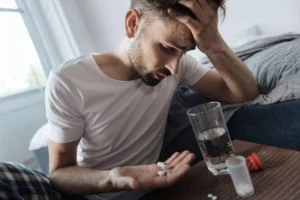
Medications to Ease Withdrawal Symptoms
Alcohol detox is the first step in treating alcohol use disorder (AUD). Many people are apprehensive about quitting alcohol due to the fear of withdrawal symptoms. Withdrawal symptoms are symptoms that occur when a person who is physically dependent on alcohol reduces or stops drinking. They develop because of changes in the levels of excitatory and inhibitory neurotransmitters in the central nervous system.
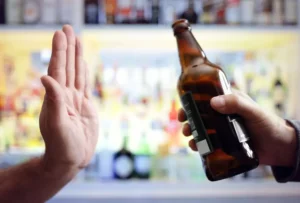

The Risks of Drinking Outside of Work Hours
By contrast, another 2023 study found similar rates of death between nondrinkers and light to moderate drinkers. In the spirit of reconciliation, Hello Sunday Morning acknowledges the Traditional Custodians of country throughout Australia and their connections to https://thecinnamonhollow.com/a-guide-to-sober-house-rules-what-you-need-to-know/ land, sea and community. We pay our respect to their Elders past and present and extend that respect to all Aboriginal and Torres Strait Islander peoples today. Think of the ocean, the urge is a huge wave, you know it’s big and it’s strong but it will subside if you hang in there. The waves/urges will become smaller and you will become stronger, and in time the waves become even smaller and further apart and far more manageable to deal with.
DONATE & SUPPORT
Alcohol is the most widely misused substance, and frequent drinking can lead to dependence or addiction. Heavy drinking can also cause problems well beyond the health of the drinker — it can damage important relationships. It’s all too common that problem drinking disrupts bonds with a spouse, family members, friends, coworkers, or employers.

Activities such as team sports, group dinners, or participating in wellness programs promote healthy interactions while keeping physical and mental well-being in mind. Additionally, the risk of certain types of cancer is heightened by frequent after-work drinking. Alcohol consumption has been linked to an increased risk of developing cancers of the mouth, throat, oesophagus, liver, and breast.
Signs & Symptoms of Alcoholism in the Workplace
While there’s nothing inherently wrong with enjoying a drink at the end of the day, it’s important to be mindful of the reasons behind this habit. Are you drinking to relax, or is it a coping mechanism for work-related stress? Understanding your motivations can help in assessing whether your drinking habits are healthy or potentially problematic. After a demanding workday, alcohol can offer a temporary escape, providing a sense of relaxation and detachment from workplace pressures. Sharing drinks after work can facilitate connections with colleagues, serving as a social lubricant that enhances communication and strengthens professional relationships.
Stress After Work
Below, experts share what you should know about drinking again after a break, and how to smoothly reincorporate alcohol into your life, if you choose to do so. If you find yourself dealing with employee conduct outside of work, or carrying out an investigation, beware the risks involved and contact the NRA Workplace Relations team on 1800 RETAIL ( ) for advice. Unfortunately, none of this advice will eliminate all the anxiety and uncertainty around work drinks for everyone, in part because, while we can manage our own drinking, we can’t control our colleagues’ choices. A few surveys conducted in recent years have found that at least one in ten people who drink at work functions believe they ended up doing something embarrassing, or even harmful to themselves or others, at these sorts of events.
How Long Does It Take For Alcohol To Hit Once You Drink It?

They often take that individual’s choice as an indictment of their own drinking—a sign of sanctimony and distance. For example, a 2018 study found that light drinkers (those consuming one to three drinks per week) had lower rates of cancer or death than those drinking less than one drink per week or none at all. There are a few techniques we recommend to our members who are trying and break this habit. The first one is understanding what the need for the alcohol is at the time. In this case, the drink would fill the need of wanting to switch off from ‘work/mum mode’ and relax into the evening. When we recognise and understand why we are drinking, it can help us realise that there are alternative, healthier ways to relax.
Pros of alcohol at work: Supporters highlight benefits
Completing a medically supervised detoxification protocol within a licensed detox facility is the safest and most effective way. At North Jersey Recovery Center, we strive to make your addiction treatment experience as comfortable as possible. These are just a few of the many different reasons why a person may experience stress and turn to drugs or alcohol for relief. Looking for addiction treatment in Columbus, Ohio or the surrounding areas? We have inpatient and outpatient facilities nearby and across the country ready to help. However, the tradition is not without its drawbacks, as Japan’s notoriously long working hours and the concept of ‘karoshi,’ or death from overwork, are often linked to the pressures of maintaining such social work obligations.
SUPPORT
- When we recognise and understand why we are drinking, it can help us realise that there are alternative, healthier ways to relax.
- It’s all too common that problem drinking disrupts bonds with a spouse, family members, friends, coworkers, or employers.
- According to one study released last year, 12 percent of people only pretend to drink at work events, by ordering dressed-up non-alcoholic beverages.
- That means you need to be ready to evaluate whether an effective accommodation can be made.
- You may find yourself pouring a drink after work because work is very stressful for many people regardless of the occupation.
The Centers for Disease Control and Prevention (CDC) emphasizes the importance of supporting mental health to directly impact substance use among adolescents. In light of these findings, there’s a call for integrated screening and treatment strategies that address both substance use and mental health, as well as a reduction in stigma to encourage more individuals to seek help. In the tech industry, the rise of remote and hybrid work models has reduced the incidence of in-person after-work socializing, leading to a decline in drinking as a bonding ritual. This shift has been influenced by a recognition of the importance of mental health and the negative consequences of alcohol on well-being.

Conversely, an employer may chose to discourage any company-sponsored drinking outside of work. Coastal Detox is located in the city of Stuart on Florida’s treasure coast. At Coastal Detox, our mission is to help each client experience detox from alcohol and other substance addiction with ease. To begin recovery, the first step is detoxification, to rid your body of any drugs and alcohol. We provide A Guide To Sober House Rules: What You Need To Know safe and highly effective medically supervised detox for all substances of abuse.
The Dangers of Drinking After Work
In Western societies, the institutionalization of regular alcohol consumption has been observed in various stages of life. In the workplace, drinking has often been seen as a means of fostering camaraderie, boosting morale and relieving stress. However, contemporary attitudes are shifting, with increased awareness of health, safety and appropriate behavior leading to a decline in work-related drinking culture. Interpersonal relationships at work also suffer due to after-work drinking, with colleagues experiencing negative behaviors ranging from exclusion and unwanted attention to verbal abuse and physical harm due to coworkers’ drinking (source).
Peer pressure and societal expectations are pivotal in shaping drinking behaviors. In many cultures, consuming alcohol post-work is seen as a rite of passage or a means to forge social connections. This is particularly evident among young adults and college students, where the desire to integrate into a social group can lead to excessive drinking patterns. In contrast, regions like London have a historical tradition of post-5 pm drinking, deeply ingrained in the city’s social landscape, highlighting the evolution and significance of this practice.
Addiction and Your Job
Over time, consistent disruption of sleep can contribute to the development of chronic sleep disorders such as insomnia or sleep apnea. Drinking during work hours or work-related events requires a careful approach. While some workplaces may have a culture of casual drinking, it’s important to remain professional and aware of your limits. Overindulgence can lead to inappropriate behavior and impaired judgment, tarnishing your professional reputation.
Signs & Symptoms of Alcoholism in the Workplace
- Organizational cultures differ in how they manage social control of drinking norms.
- The National Retail Roadshow is back, and this time, it’s bigger, better, and bolder than ever.
- Understanding your motivations can help in assessing whether your drinking habits are healthy or potentially problematic.
- Alexandra Babcock, a registered dietitian and owner of the company Nutrition Innovations, said that eating carbohydrate-rich foods can combat brain fog after an endurance-heavy workout by replenishing glycogen.
- But for over 14 million Americans who struggle with alcohol use issues, and millions more who do not drink as a matter of personal belief or taste, these events can be stressful.
Whether it’s grabbing a pint at the local pub or attending a happy hour event, after-work drinking has become deeply ingrained in our professional culture. You might feel compelled to go, thinking it provides an opportunity to bond with your coworkers and maybe get in good with your boss. A survey conducted on after-work drinks showed that one in five workers who attend happy hours find it beneficial for networking and improving their position in the company, and eight in ten attend to bond with colleagues. Regardless of the specific industry, workplace alcohol abuse can seriously affect an organization. Drinking after https://yourhealthmagazine.net/article/addiction/sober-houses-rules-that-you-should-follow/ work is a common social activity across various professions. It’s often seen as a way to decompress, celebrate team achievements, or simply transition from work mode to personal time.
Is alcoholism considered a serious health condition under the FMLA?
- In light of these findings, there’s a call for integrated screening and treatment strategies that address both substance use and mental health, as well as a reduction in stigma to encourage more individuals to seek help.
- This may be why 14% of respondents admitted that, on at least one occasion, they’ve acted inappropriately during afterwork drinks.
- In many cases, even moderate drinking (defined below) appears to increase risk.
- Surveys indicate a considerable percentage of employees feel compelled to drink when coworkers or superiors do, linking alcohol consumption with improved work relationships (CNBC).
- The relaxed atmosphere allows for the development of personal connections and the building of trust among team members.
- Drinking after work is a common social activity across various professions.
Employers cannot discriminate against you for your past drug or alcohol use. But when drugs or alcohol affects how you do your job now, you don’t have that same protection. Employers should avoid sponsoring after-work drinks unless they also take measures to monitor for intoxication and provide safe rides. Supervisors should be informed of the role they play – and their own personal liability – if they sober house encourage these events or attend the events and buy drinks.

Yes, After-Work Drinking Is a Serious Workplace Issue
Alcohol, classified as a depressant, influences the brain’s neurotransmitter balance, impacting mood, thought processes, and behavior. Notably, it may induce feelings of relaxation in moderation, but excessive or prolonged use can lead to substantial mental health challenges, such as dependence, depression, and anxiety. After-work drinking culture has traditionally been a staple of certain professional environments, serving as a means of socializing, networking, and unwinding after a long day.

Outside of work, she spends free time listening to audiobooks and solving crossword puzzles. Conflict resolution in the workplace can be broken down into steps to simplify the process. By doing so, HR and managers can ensure more effective communication and a more effective conflict resolution process. If your boss suspects you might be drunk or high at work, they can ask you about your alcohol and drug use or have you take a drug test. When it’s apparent that you work under the influence, your job could be on the line. They may notice that you take a lot of sick leave or that you’re often late to work.
Activities such as escape rooms or themed dinners will be much more inviting and accessible to all employees. Drinking after work is not the best way to relieve stress after a stressful workday. As stated before alcohol consumption can have effects on your body short- and long-term, especially when consumed regularly and frequently. Engaging in physical activity after a workday offers a multitude of benefits that extend far beyond the immediate release of stress. A visit to the gym or a yoga class can replace the typical happy hour, offering both mental and physical benefits. Moreover, social activities that don’t involve alcohol, such as playing frisbee in the park or joining a hobby club, can foster connections and relaxation without the negative effects of drinking.
HuffPost Personal
Statistics from our Daybreak mobile app shows that nearly half of our members drink after work. The research also found that 15% of employees would have no qualms about getting drunk in front of their boss. On the other hand, 11% of bosses say they would get drunk in front of their employees. Your card will not be charged at any point during your 21 day free trialand you may cancel at any time during your free trial. We ask for your credit card to allow your subscription to continue should you decide to keep your membership beyond the free trial period.
Does Weed Marijuana Kill Brain Cells?
The biggest risk of weed is that it will cause the onset of psychosis in susceptible individuals. Some people have a type of mind and of developmental trauma such that they are just on the edge of developing a schizophrenic type of mind. Many studies have shown that weed can be the trigger that pushes them over the edge into full-blown schizophrenia with attendant hallucinations. This claim is however controversial because it’s not clear if the weed is causing schizophrenia or if the person is trying to medicate symptoms that are already present by smoking weed and also cigarettes. Chronic marijuana use can lead to marijuana use disorder and increases the risk of progressing to other drugs. Along with addiction, marijuana use can negatively affect your mental health and quality of life.
Available research offers some insight into the short-term effects of drug use. However, it is difficult to draw definitive conclusions regarding the long-term effects of drug use. Keep reading to learn more about what current studies have to say about marijuana’s short- and long-term effects on the brain.
- During working memory tasks, the researchers found heavy cannabis use appeared to reduce brain activity in certain areas of the brain (dorsolateral prefrontal cortex, dorsomedial prefrontal cortex and anterior insula).
- They do this because they are made up of special chemicals that change the way the current chemical cycles in the brain work.
- Endocannabinoids have a range of purposes in your body and interact with specific receptors in your brain and nervous system.
- However, cumulative exposure didn’t appear to affect processing speed or executive function.
- Marijuana can have different impacts on the brain, both in the short term and over the long term.
- Inhaling these compounds and extremely hot smoke depletes oxygen in the blood and brain and kills brain cells.
Synthetic
Because they act on the same receptors as natural marijuana, they lead to the signature euphoric high. However, they bind to the receptors with a higher strength so that high isn’t always euphoric or even pleasant. As a group, they attach more tightly to the cannabinoid receptors, sometimes producing more serious side effects. SCBs are illegal substances meant to be similar in chemical structure to naturally growing marijuana in order to cause similar effects. Often, people think it’s a safe alternative to marijuana but, in reality, synthetic marijuana is frequently stronger and unpredictable. National Institute on Drug Abuse (NIDA) researchers established that there are a lot of questions concerning the long-term effects of marijuana.
The relationship between cannabis and brain cells is complex, and its impact on brain function depends on various factors, such as the specific cannabinoid, dosage, and individual susceptibility. To understand the impact of cannabis on brain cells, it is necessary to examine the endocannabinoid system (ECS). The ECS is a complex cell-signaling system throughout the body, including the brain, and is responsible for maintaining homeostasis or balance in various physiological processes. It plays a crucial role in regulating mood, memory, appetite, and pain sensation. Studies haven’t conclusively shown that cannabis, in any form, directly kills brain cells. However, heavy and prolonged use can affect brain development in adolescents, whose brains are still maturing.
Drug & Substance Abuse FAQs
The body naturally produces endocannabinoids, which are similar to cannabinoids. Both cannabinoids, such as THC, and these natural endocannabinoids, bind to the same receptors in the brain. When a person smokes marijuana, they may notice they struggle with staying focused or recalling important details. This can worsen with prolonged marijuana use, resulting in problems like poor memory and concentration. If users decide to drive while high, they can endanger their lives and the lives of others.
Other studies within this review also demonstrated no glutamate how many brain cells does weed kill effect from cannabis intake across different human brain regions. Variations in study design, such as imaging modality and parameters, prior cannabis exposure of participants, and cannabis products used, were noted among the studies. More research is needed to determine the true effect of cannabis on glutamate levels in the living human brain. Observational studies were not meta-analyzed due to the insufficient information provided regarding the type of cannabinoids and the amount of doses used by participants in these studies. It was difficult to ascertain the quality of these studies making it difficult to proceed with any statistical analyses.
Curious About Cannabis?
- First, it was among the first large, longitudinal (long-term) studies to assess marijuana use and cognitive functioning.
- Many have questions regarding how cannabis may affect different ailments, including those related to dementia.
- Today, as we continue to explore the plant’s impact on the human brain, it’s essential to recognize the deep historical context from which our current perspectives emerge.
- Her passion and purpose as a clinician are to help individuals find their voice, purpose, and motivation through their recovery.
- Research shows that frequent cannabis use during adolescence can disrupt the normal development of brain cells, particularly in regions responsible for decision-making, memory, and learning.
When you use marijuana, the active ingredient tetrahydrocannabinol (THC) enters your bloodstream and is carried to your brain. The relationship between humans and cannabis is ancient, stretching back thousands of years. Its roots lie deep within various civilizations, where it served a myriad of purposes – from religious rituals to rudimentary medicine.
Exposure to cannabis
So, when Hollywood shows that stoner trope of someone waiting for a stop sign to turn green, it turns out that it is something that using marijuana can cause. The special circuit that the impact of the cannabinoid neurotransmitters, or messengers, can actually also trigger the brain’s reward system. This system can be and sometimes is activated or altered by more than just substances that get misused. The question “Does weed kill brain cells?” has been debated for years, with research offering mixed results.
Alcohol, nicotine, and marijuana affect different neurological systems, and as a result have different long-term effects in the brain. A 2017 report cited moderate evidence that using marijuana as an adolescent is a risk factor in the development of problem cannabis use later on. The detailed study characteristics of included RCTs and observational studies are presented in Tables 1 and 2. Authors BU and VS screened titles and abstracts, resulting in 42 eligible articles for full-text screening.
We provide help for individuals struggling with cannabis use disorder and other substance use disorders in the counties that surround Chicago as well as the city itself. Because weed affects more than just your brain, it’s also important to know about the other side effects of weed use before you decide to try it. Edibles are also usually isolated only to contain THC or CBD, and sometimes both. That may mean that those chemicals interact differently with your endocannabinoid system because they are isolated from other cannabinoids that might have other effects. With weed, also called cannabis or marijuana, use becoming legal in some places, there are many more questions about smoking weed, whether it’s safe, and whether there are any permanent consequences to regular weed use.
Whether you want to stop using weed because you don’t want to deal with its negative consequences and side effects, because you no longer like how it feels, or because weed is interfering with your normal life, you can do it. When you eat an edible, you also use a different route to get it into your bloodstream and brain. Your liver converts the THC in the edible into a different, more potent, form of THC, which may increase the impact of the THC in your brain. One of the biggest differences is that edibles take longer to kick in and may also last longer in your system.
Cannabis users who visited the emergency room or were hospitalized were up to four times as likely as people in the general population to be diagnosed with dementia within five years, according to a large new study. Some of these benefits come from cannabidiol (CBD), the chemical part of the marijuana plant that doesn’t produce mind-altering effects. What’s well known is that the signature high from marijuana comes from a psychoactive element known as tetrahydrocannabinol (THC). However, Gowin mentions their research also suggests that abstaining from using cannabis before doing a cognitive task could help to improve performance. “People need to be aware of their relationship with cannabis since abstaining cold turkey could disrupt their cognition as well. Marijuana can have different impacts on the brain, both in the short term and over the long term.
It is therefore important to understand recreational cannabis use should be limited to adults. As a person ages, they naturally lose neurons (brain cells) in the hippocampus. Heavy marijuana use may speed up this process, making it difficult to learn new information. The amount of damage caused may depend on the age you are first exposed to marijuana and how long you use it.

 /wabisabisupplement